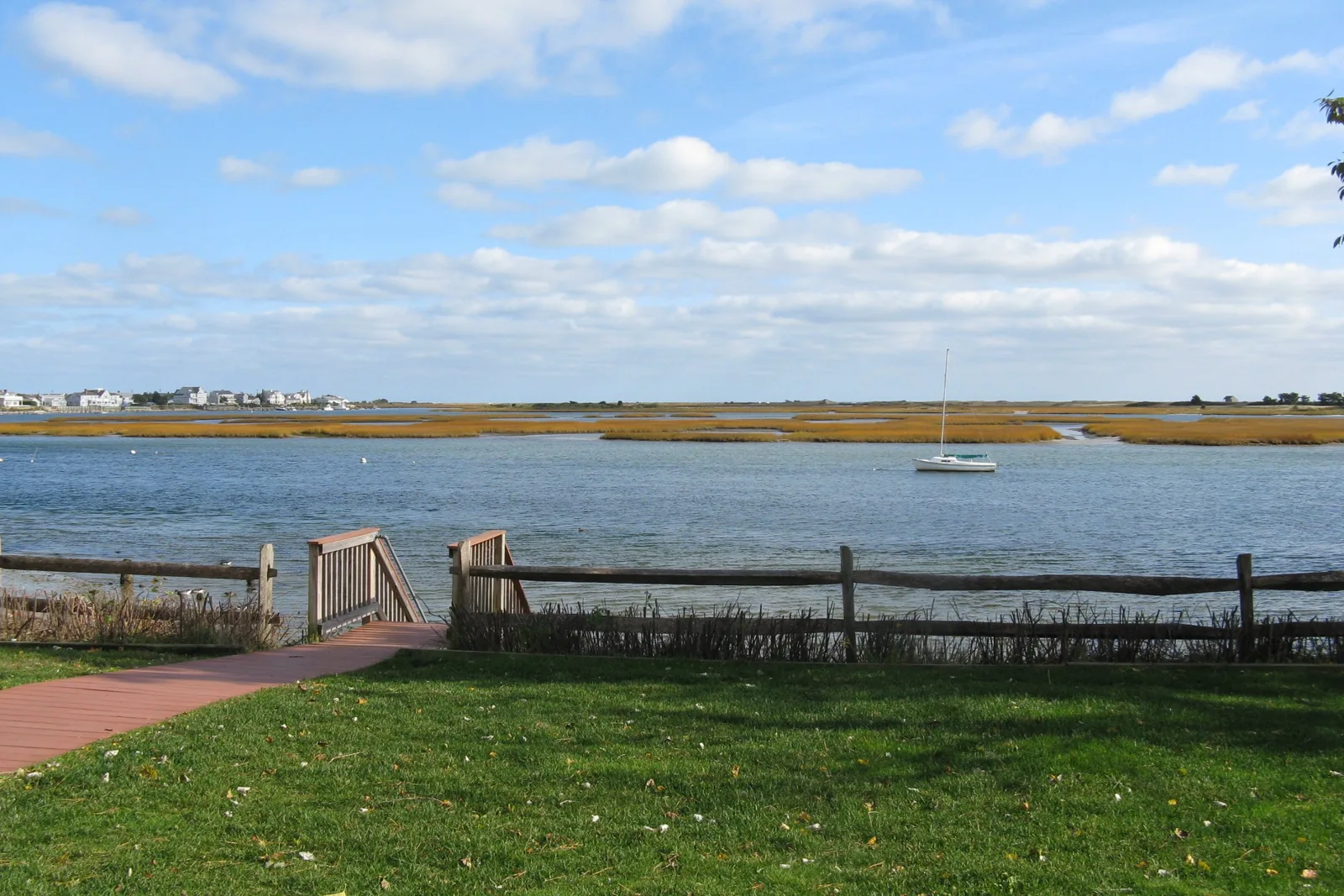
The median Yarmouth home was built in 1973, and most of the town's housing went up in the second half of the 20th century. Single-family detached homes make up about 80% of the stock. That age profile, with marshy Cape Cod Bay shoreline to the north and Nantucket Sound beaches to the south, means many homes are due for the same envelope and framing repairs at once.
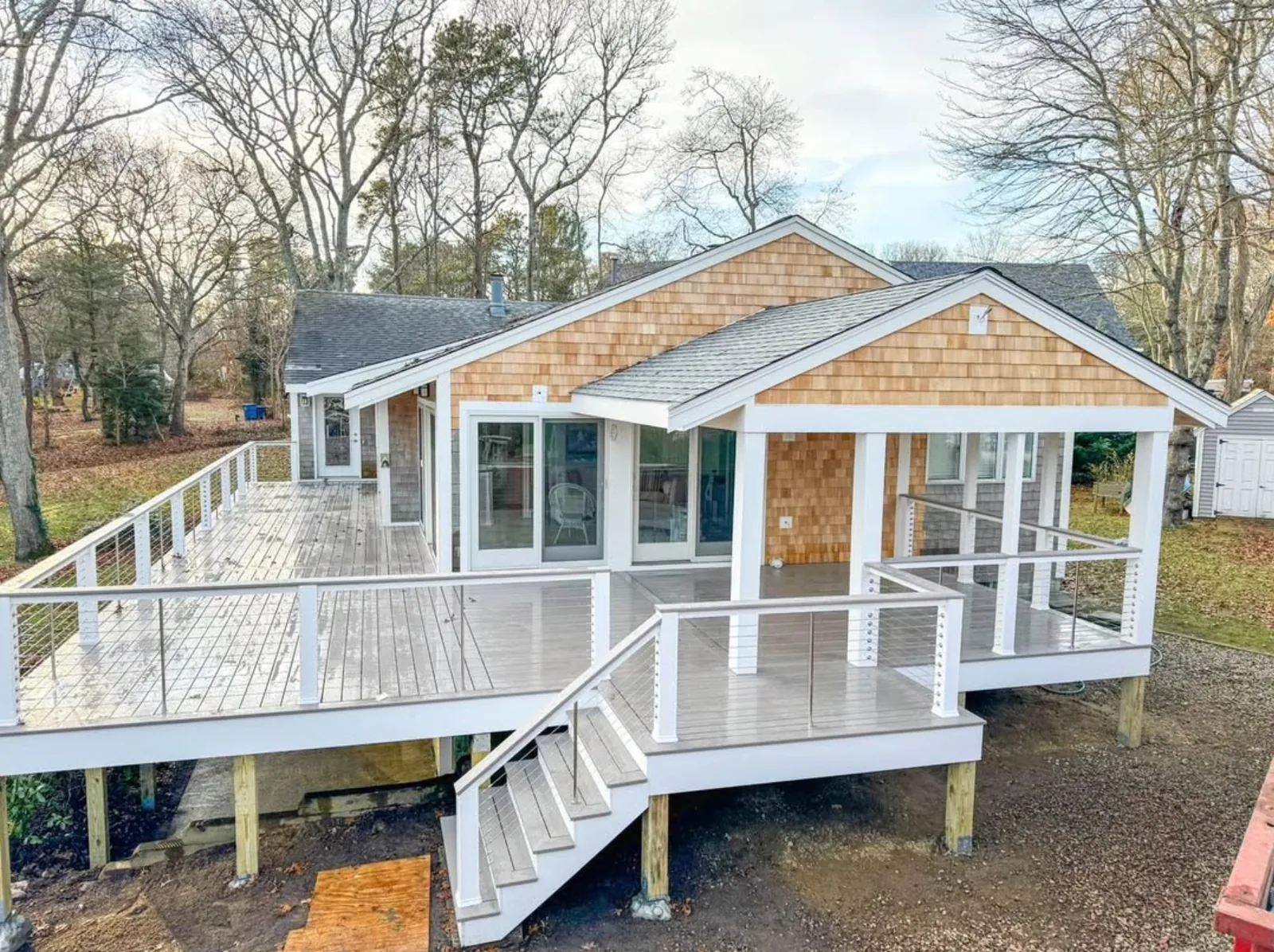
Salt air accelerates corrosion on standard steel fasteners. On a deck ledger or a railing post base installed with standard hardware, the failure is not visible from outside. It shows up when the ledger pulls away or a post loosens. Exterior assemblies we build use stainless steel fasteners or hot dip galvanized hardware and a flashed ledger.
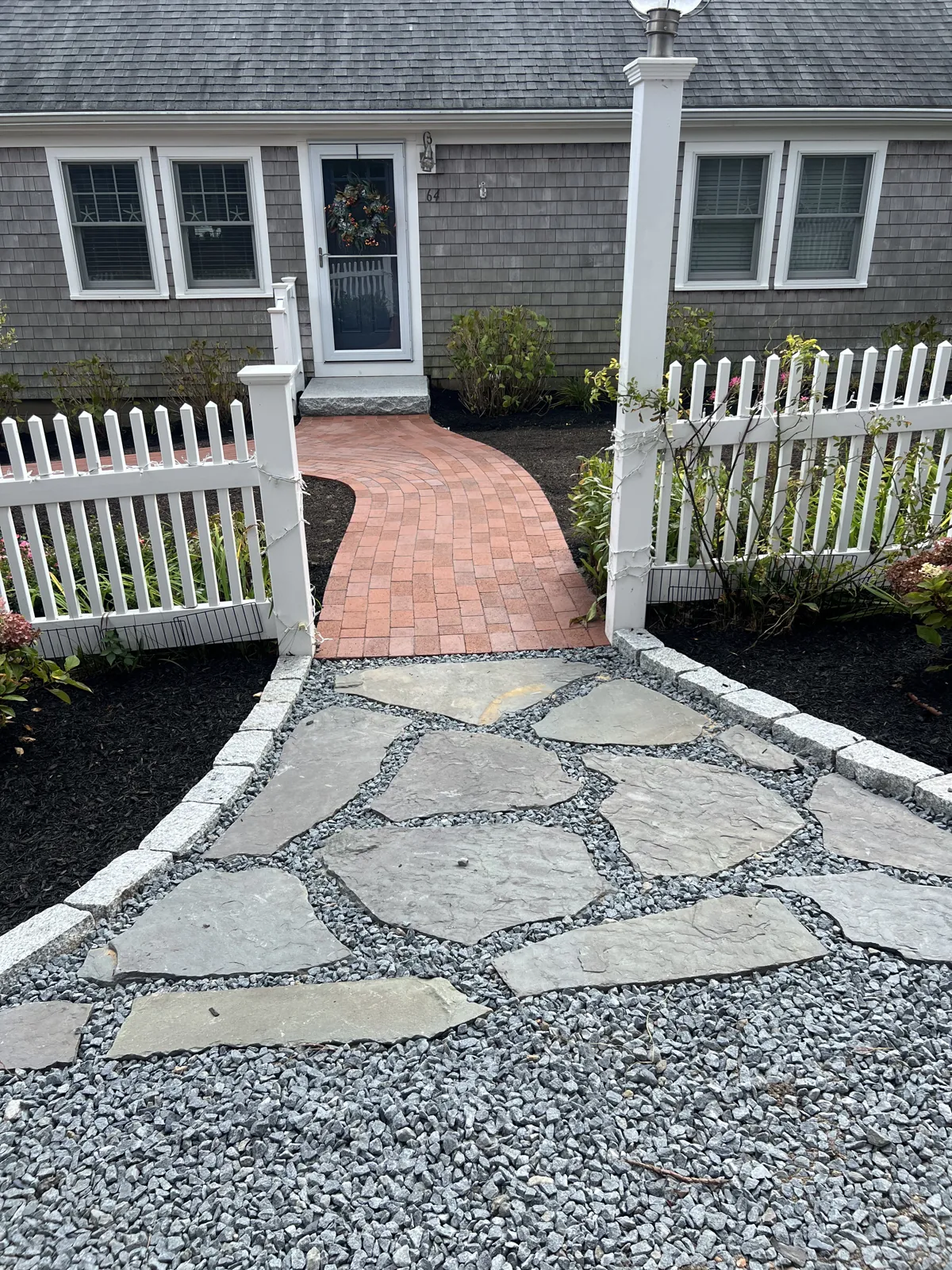
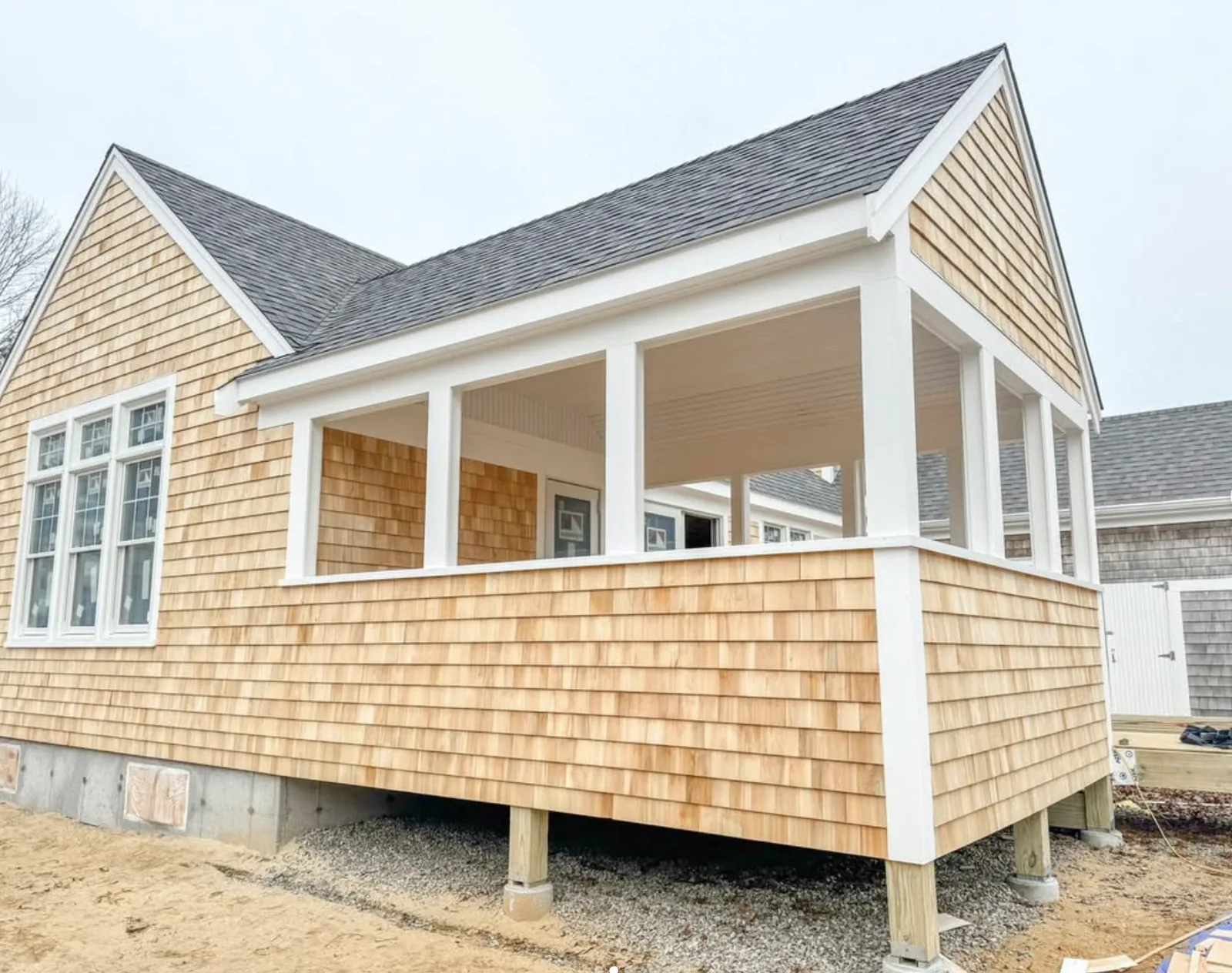
Freeze-thaw cycling is documented here. Mid-Cape January averages run from 25°F to 38°F, and UMass Extension recorded soil frozen about four inches deep in neighboring Barnstable. Seasonal snowfall averages about 30 inches, with February the peak of nor'easter activity. Water behind trim or around a deck footing expands each time it freezes, which is why we build on a compacted base and detail joints to shed water.
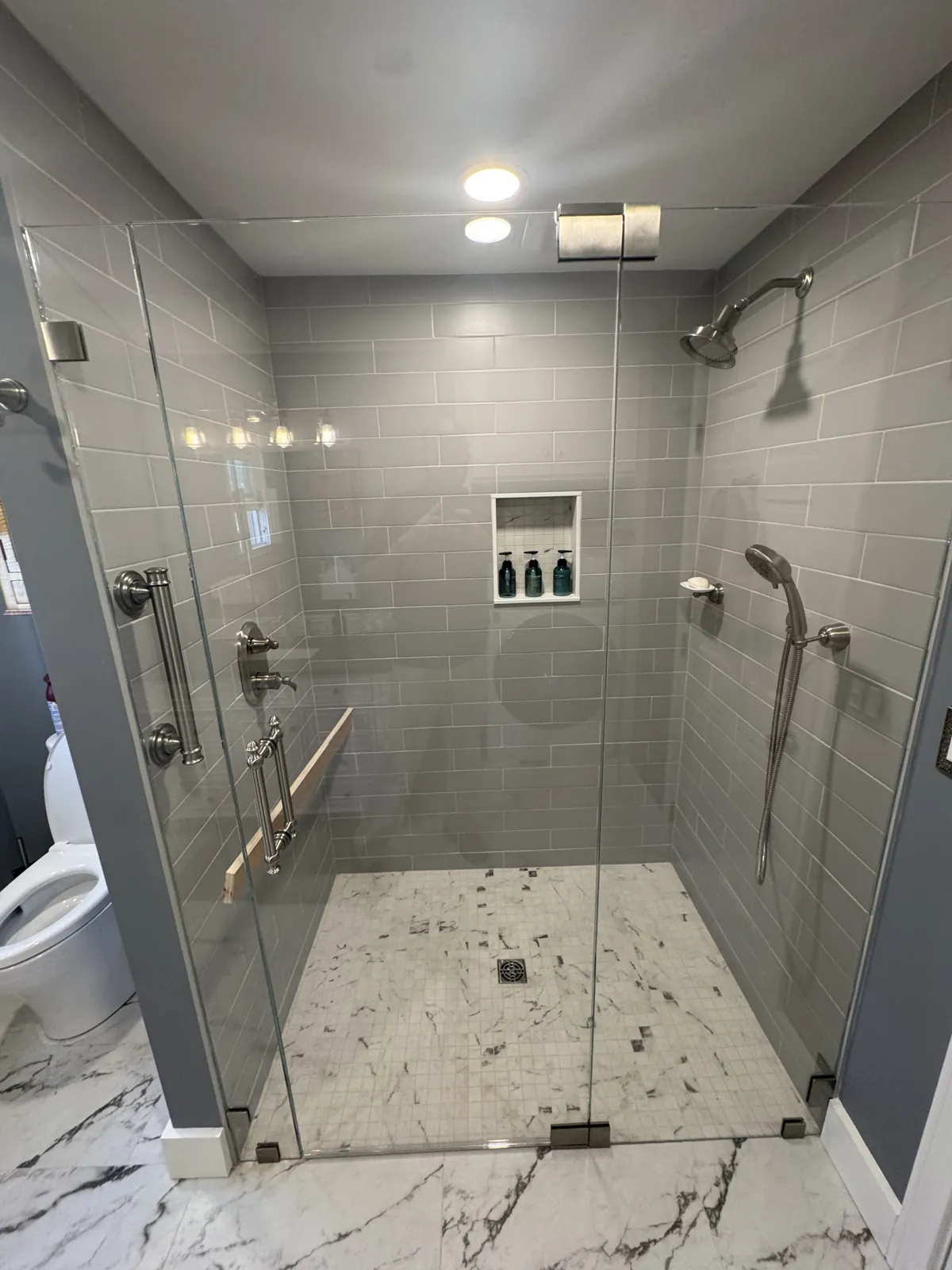
About 29% of Yarmouth's housing units are seasonal, and Census data shows roughly 42% of units vacant in the South Yarmouth and West Yarmouth ZIP codes. Houses that sit closed through July and August, when relative humidity averages above 78%, develop moisture problems with nobody there to notice. Subfloors, rim joists and bathroom assemblies are where we look first.
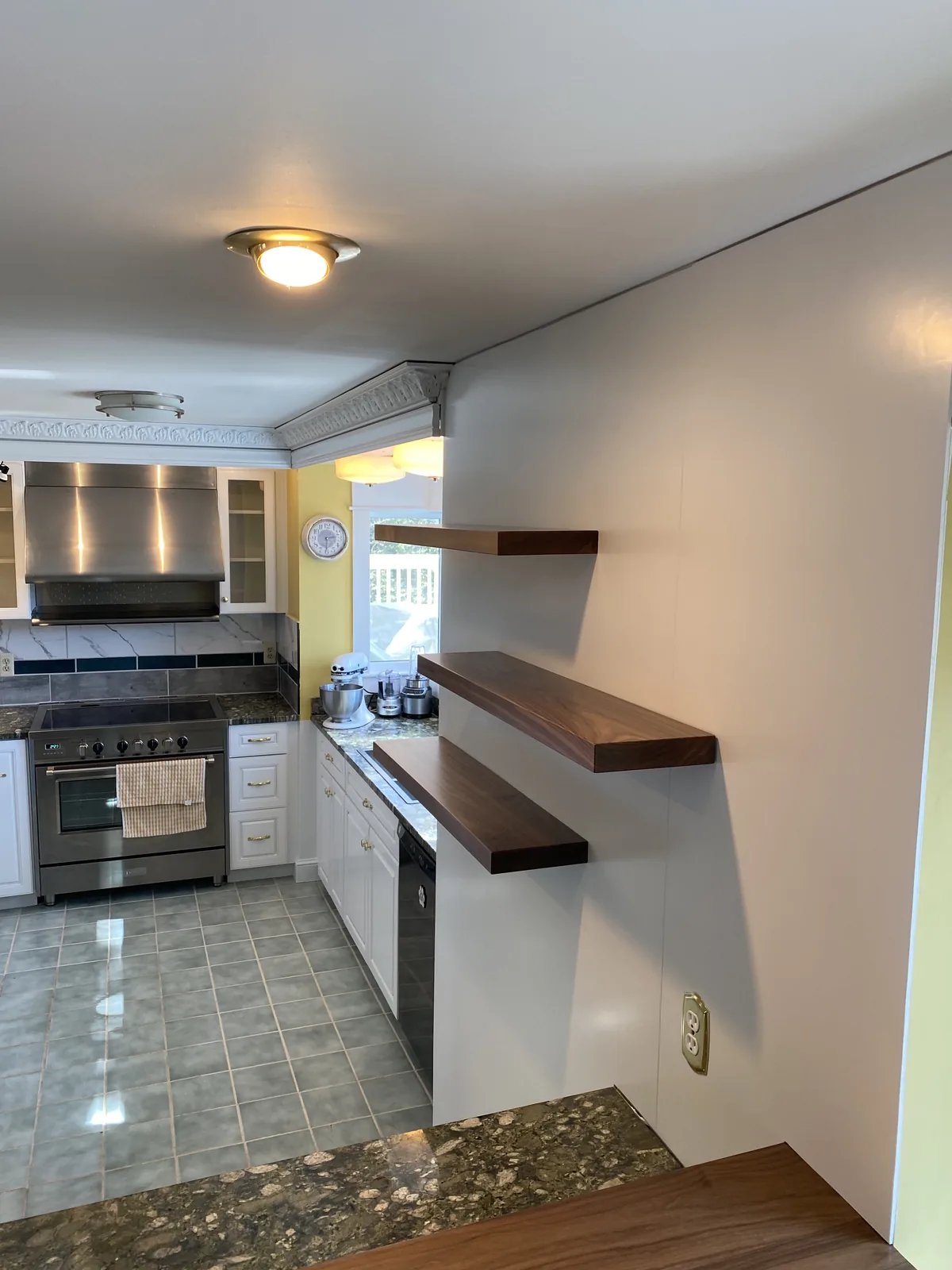
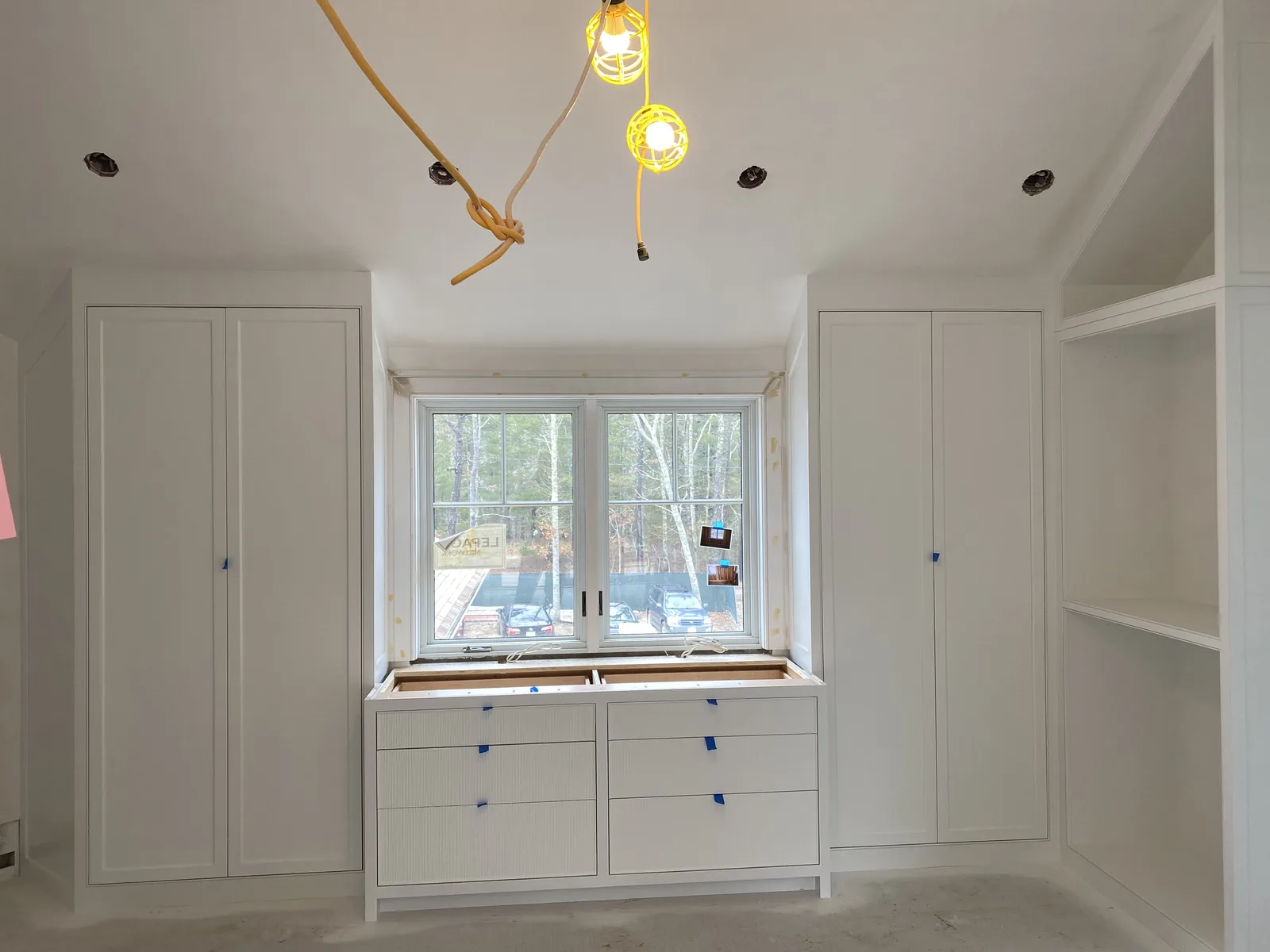
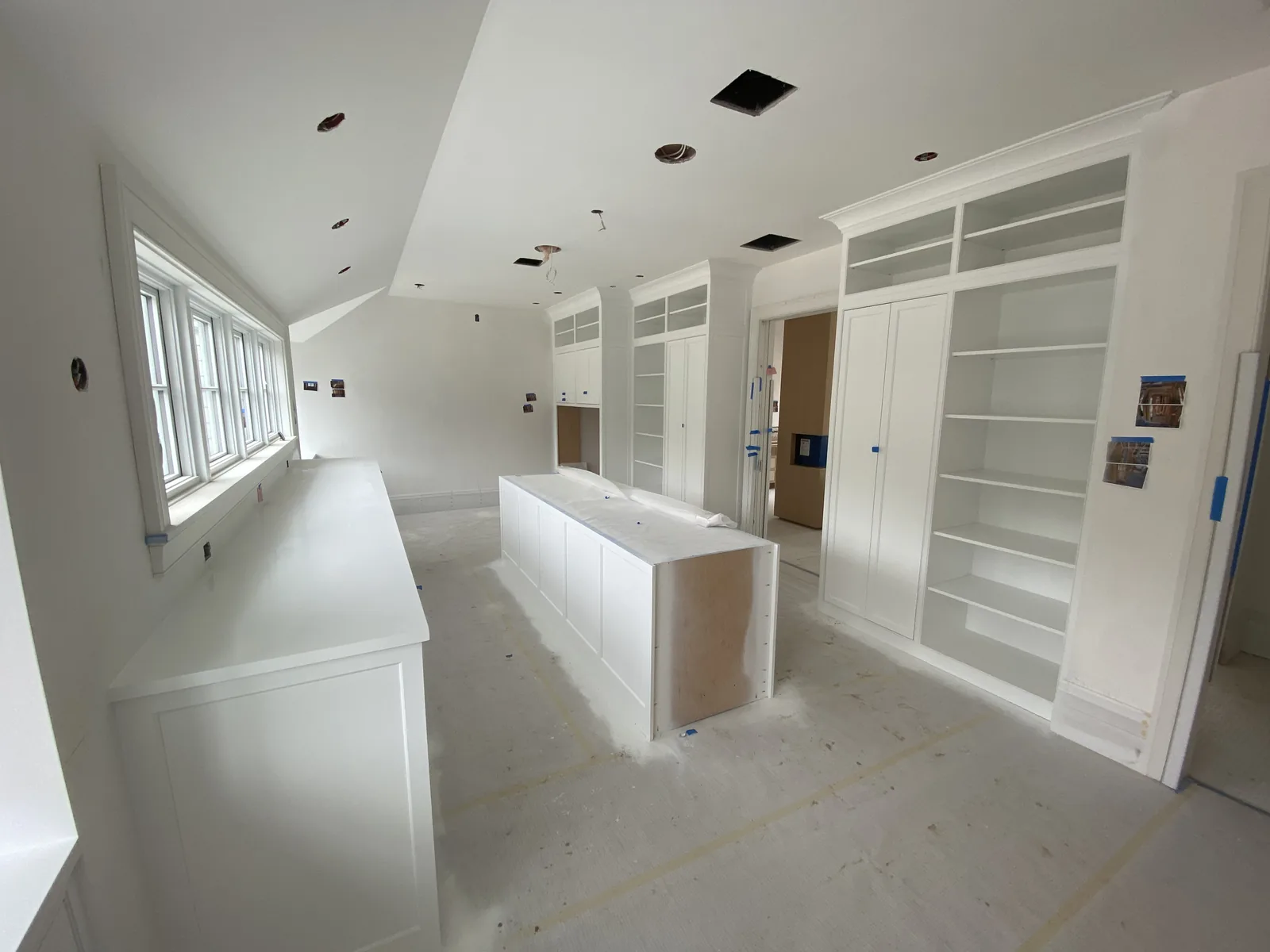
Floors in homes built in the 1960s and 1970s have settled, and walls are rarely plumb. Cabinets and tile have to be scribed and shimmed to the actual surface, not installed to a theoretical flat plane. The written scope accounts for that before work begins.



 5.0