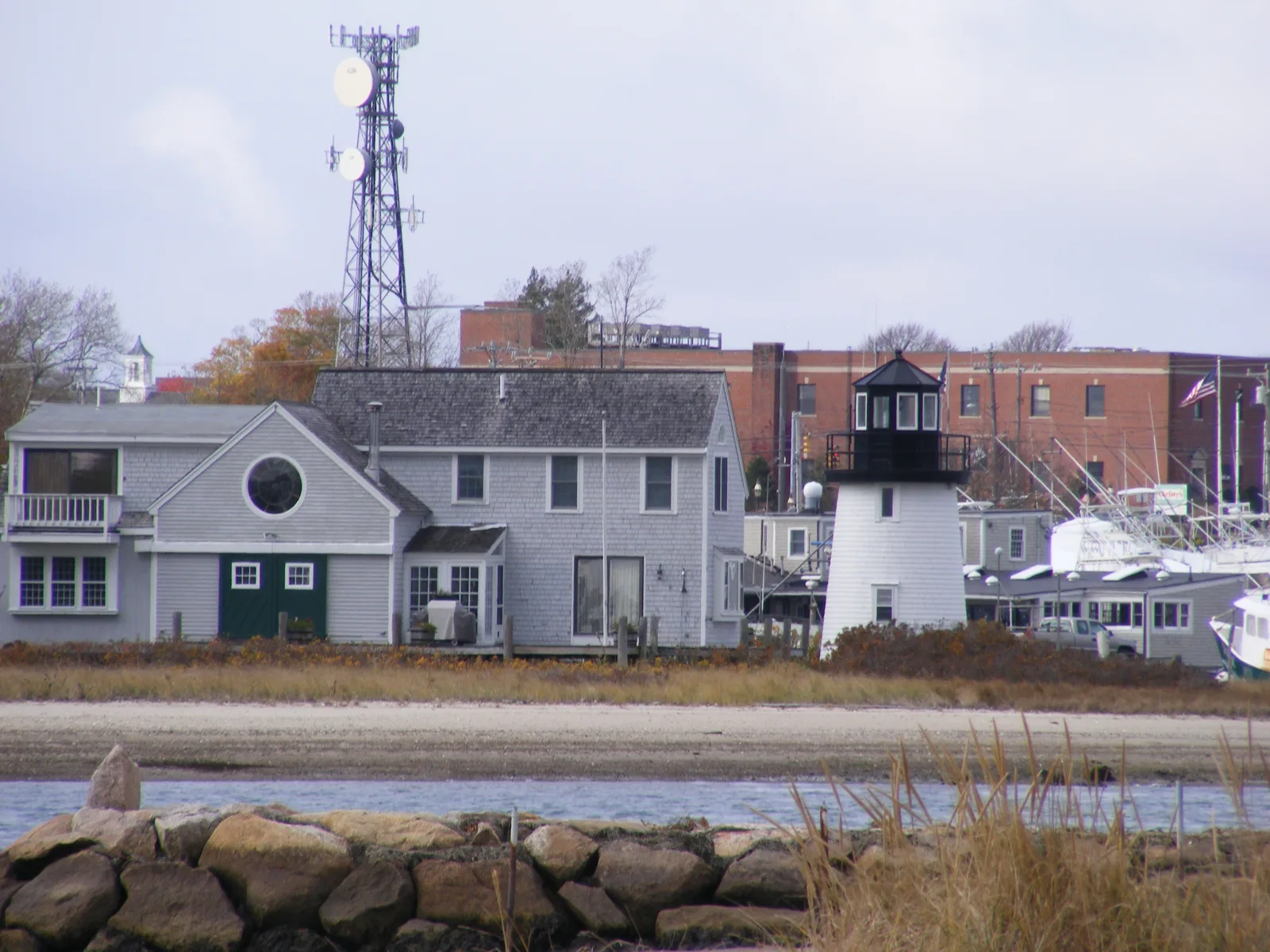
Hyannis had 10,922 housing units in the 2010 census, with 19.8% held for seasonal use, and more multi-family housing than the rest of Barnstable. Townwide, 15% of homes were built before 1950 and 44% between 1975 and 1999. On a harbor facing Nantucket Sound, that age profile means many assemblies are due for real repair, not a cosmetic fix.
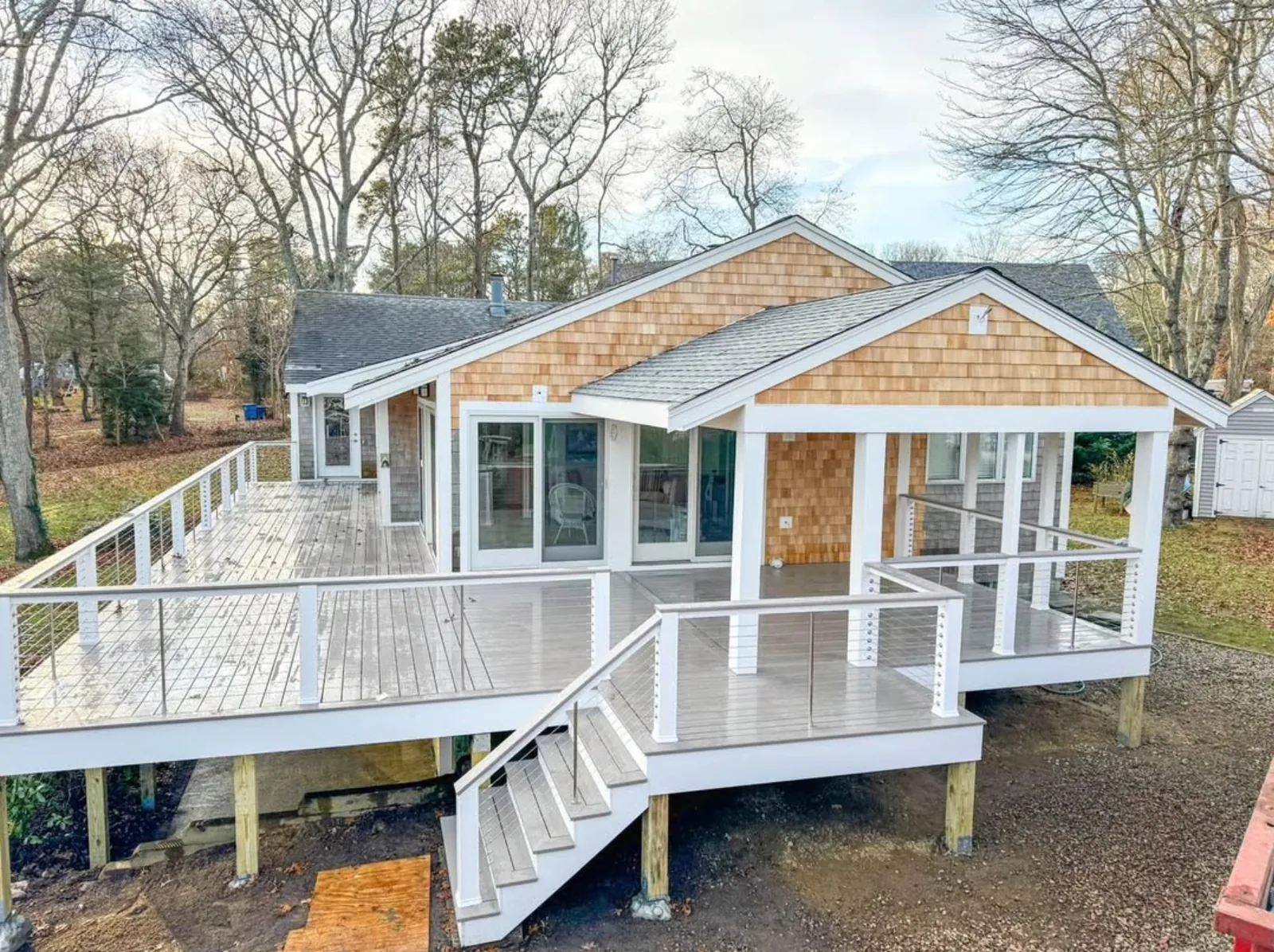
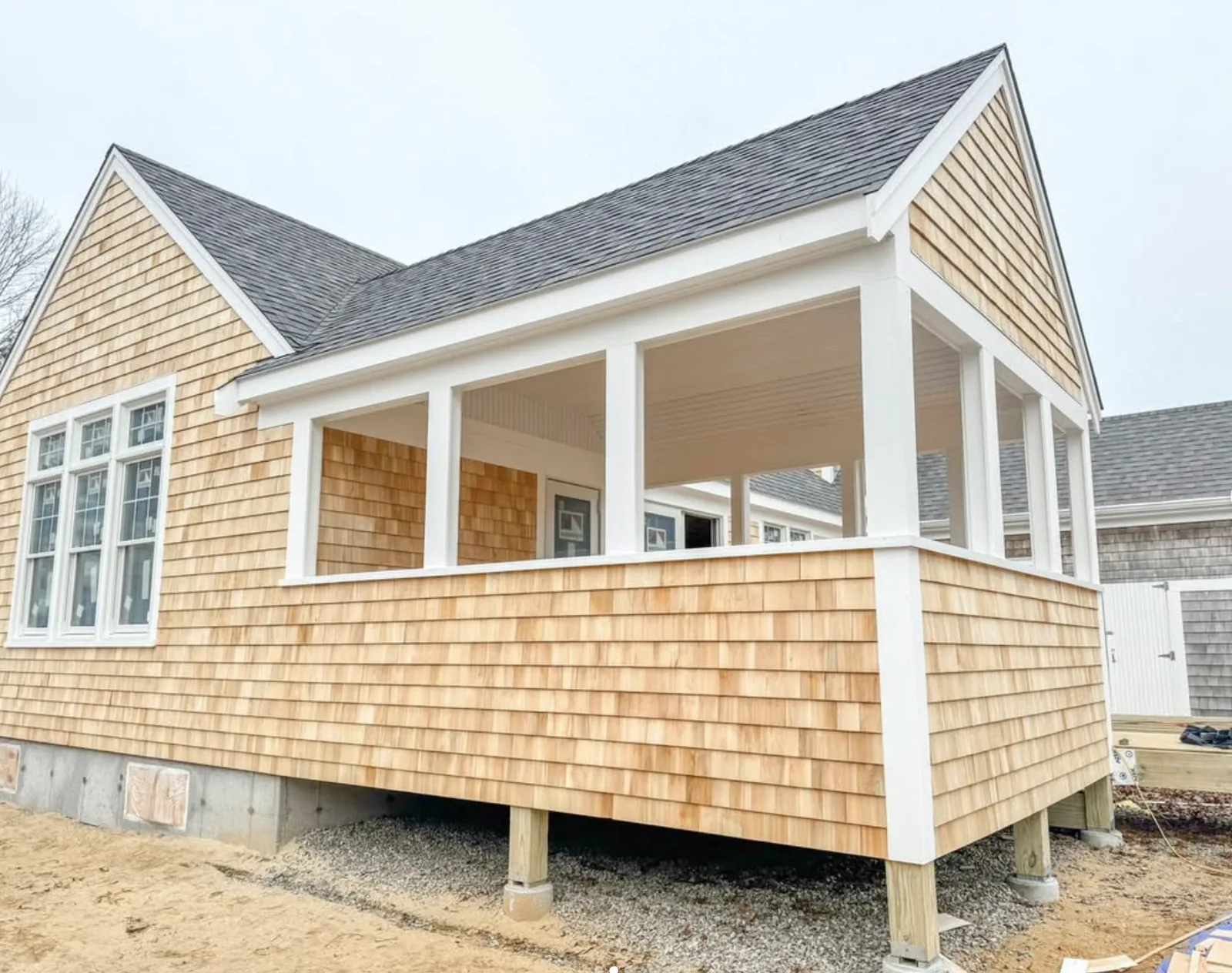
Salt air accelerates corrosion on standard steel fasteners. On a deck ledger or a railing post base installed with standard hardware, the failure is not visible from outside. It shows up when the ledger pulls away. We use stainless steel fasteners and a flashed ledger on exterior assemblies, because the failure is in the layer nobody inspects.
Freeze-thaw cycling is documented here. NOAA normals for the Hyannis station show a January mean of 30.5°F and a mean daily low of 22.3°F, with 21.5 inches of snow a year. Water that gets behind trim or into a ledger freezes and expands all winter, and the state code sets a 48 inch frost depth for Barnstable.
Houses that sit closed for months develop moisture problems without anyone there to notice. The town preservation plan tracks the conversion of summer cottages into year-round homes, and that work often exposes subfloors, sill plates and insulation that were never built for winter use.
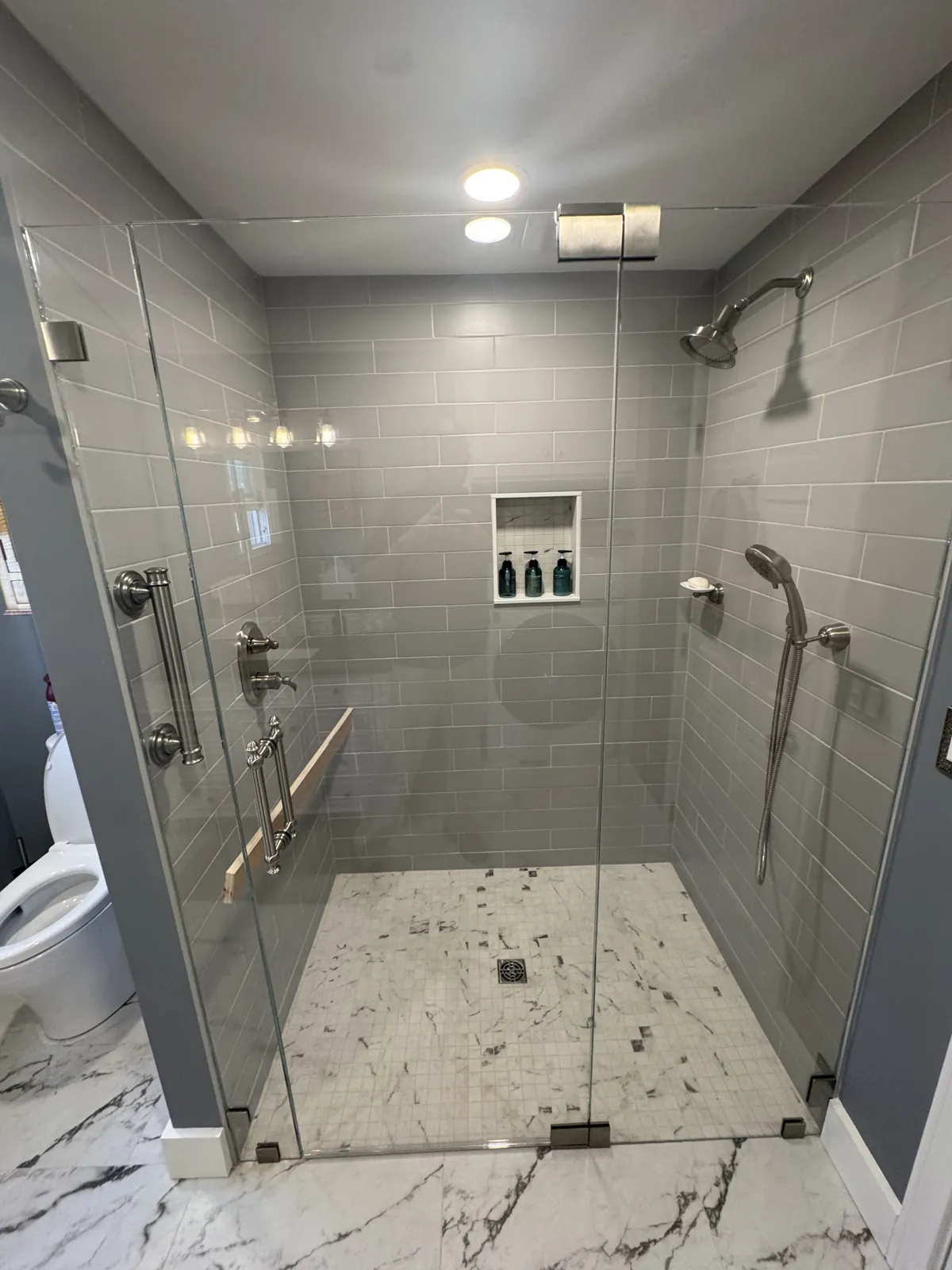
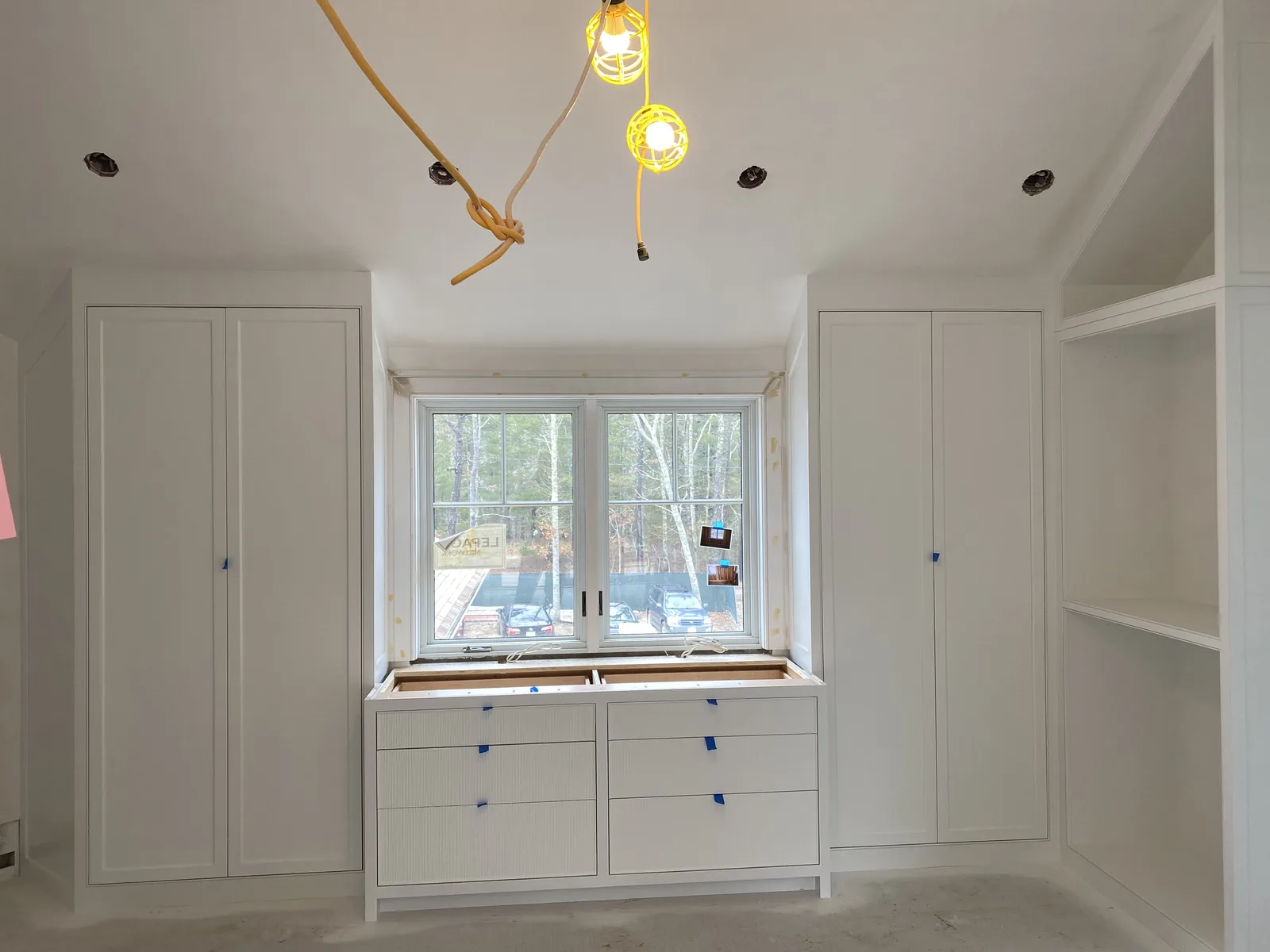
Floors in homes built before 1980 have settled and walls are rarely plumb. Tile and cabinets have to be scribed and shimmed to the actual surface, not installed to a theoretical flat plane. We measure that before the scope is written, so it is priced instead of discovered.



 5.0