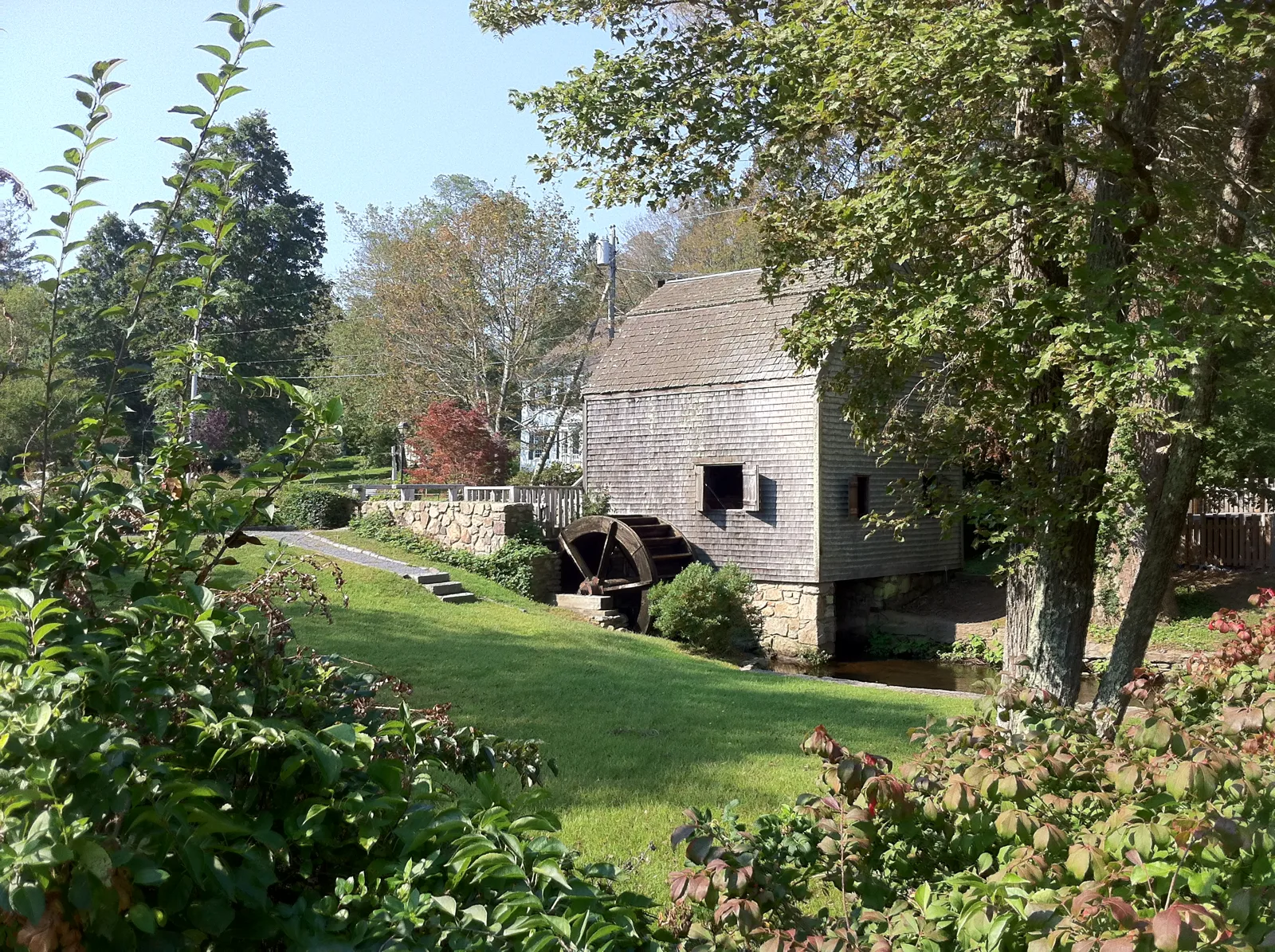
Sandwich assessors' data shows the vast majority of housing was built between 1950 and 1999, over half of it between 1975 and 1999, with about 12% built this century. In Sandwich Village, about 14% of homes date to 1939 or earlier. That stock sits on sandy glacial ground beside Cape Cod Bay, where original decks, windows, and baths have taken years of salt air and freezing winters.
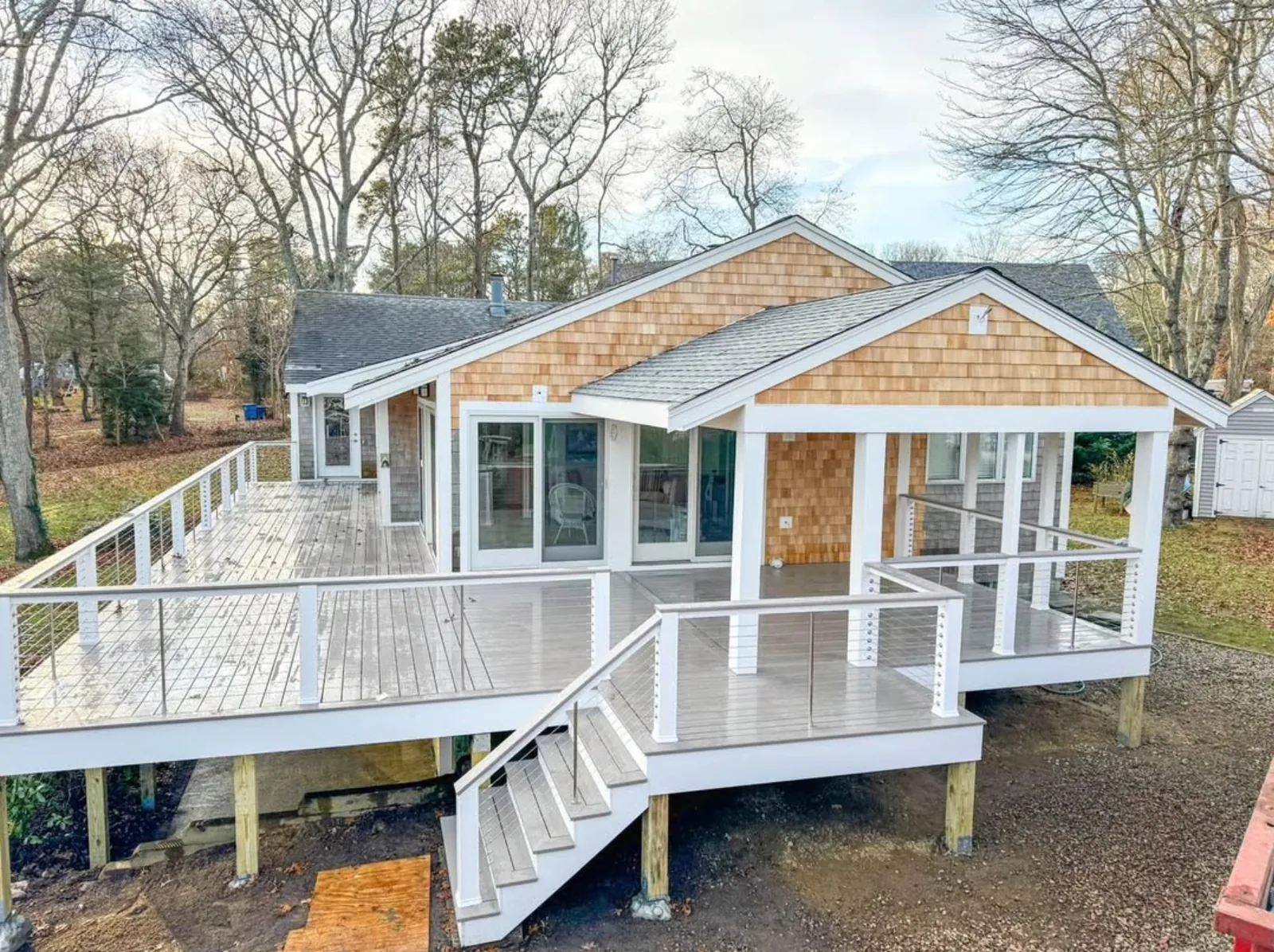
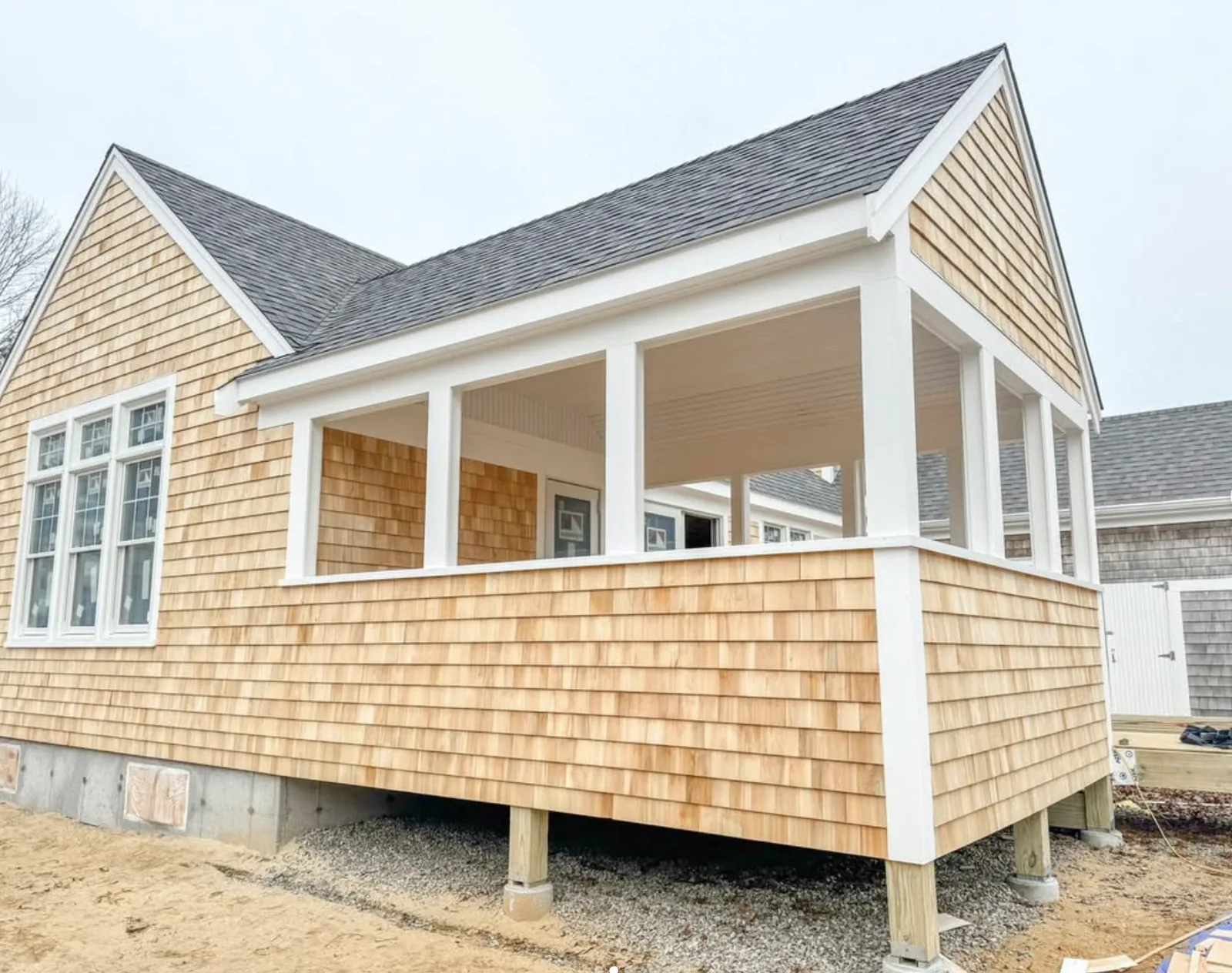
Salt air accelerates corrosion on standard steel fasteners. On a deck ledger or a railing post base installed with standard hardware, the failure is not visible from outside. It shows up when the ledger starts to pull away. The failure is in the layer nobody inspects, so we build exterior assemblies with stainless steel fasteners or hot dip galvanized hardware and a flashed ledger.
Sandwich is in USDA hardiness zone 6b, colder than the 7a of the Mid and Lower Cape, and Barnstable County averages 103.9 nights a year below freezing. About 30 inches of snow falls in a typical November to April season. Water that gets behind siding or under a ledger freezes and opens the gap wider each year, which is why problems show up in the third winter.
Only 13% of Sandwich housing is seasonal, against 33% for the region, so most homes are lived in year round. East Sandwich is the exception, with 23% of units vacant in census data. Average relative humidity runs 70.7%, and houses that sit closed for months develop moisture problems in subfloors and wall cavities with nobody there to notice.
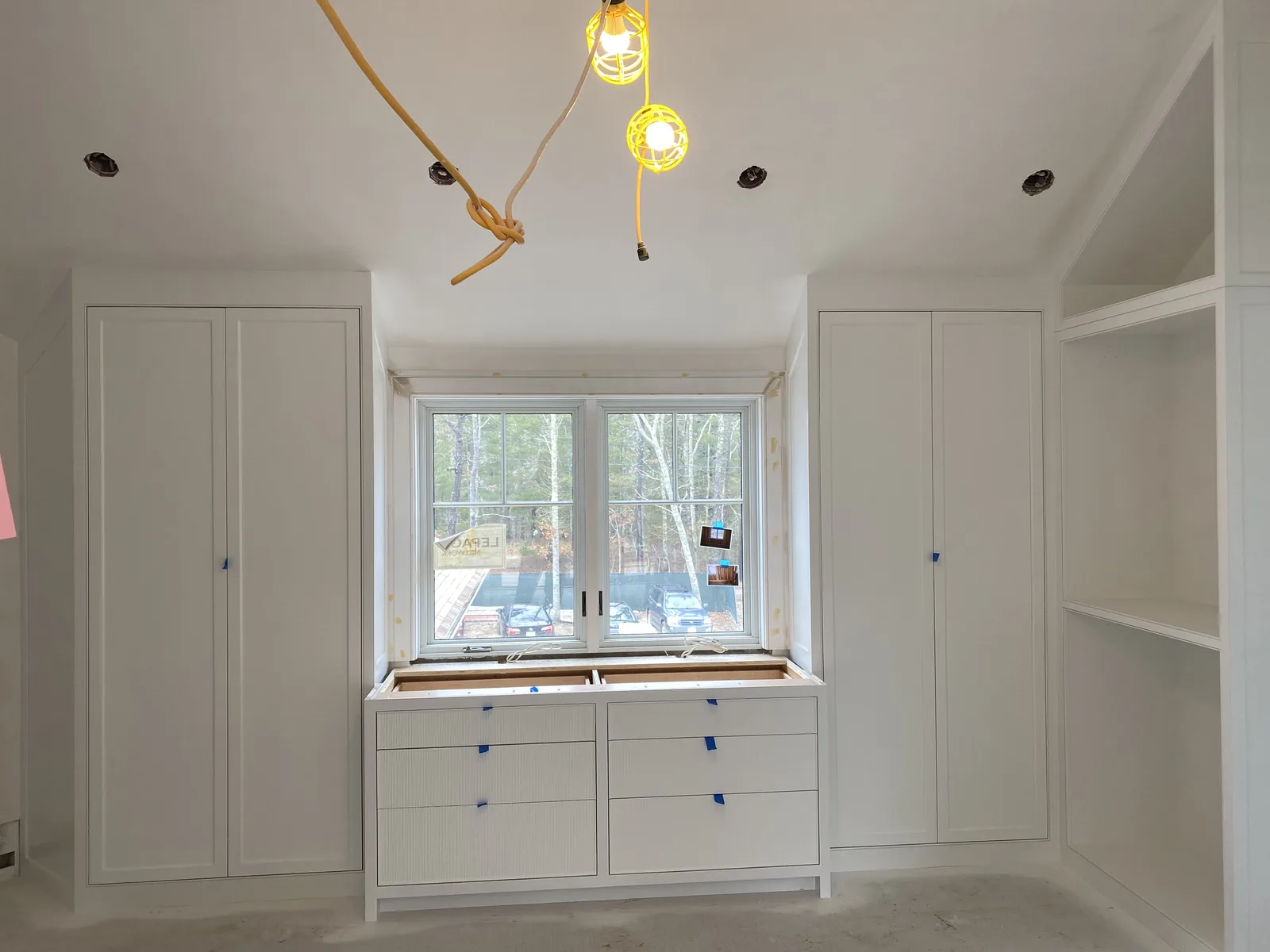
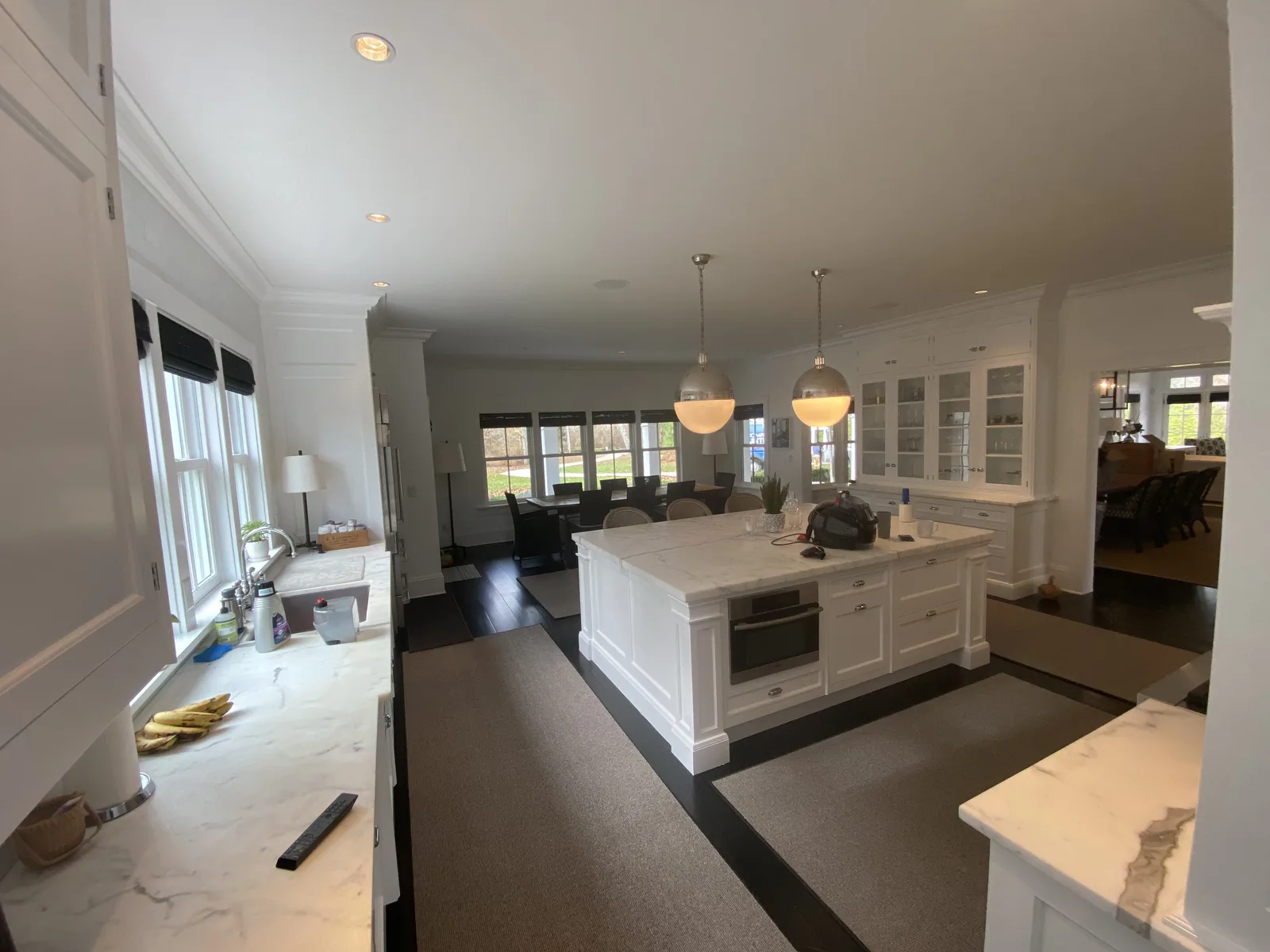
Floors in older homes have settled, and walls are rarely plumb. Cabinets and tile have to be scribed and shimmed to the actual surface, not installed to a theoretical flat plane. That fitting work belongs in the written scope from the start.



 5.0