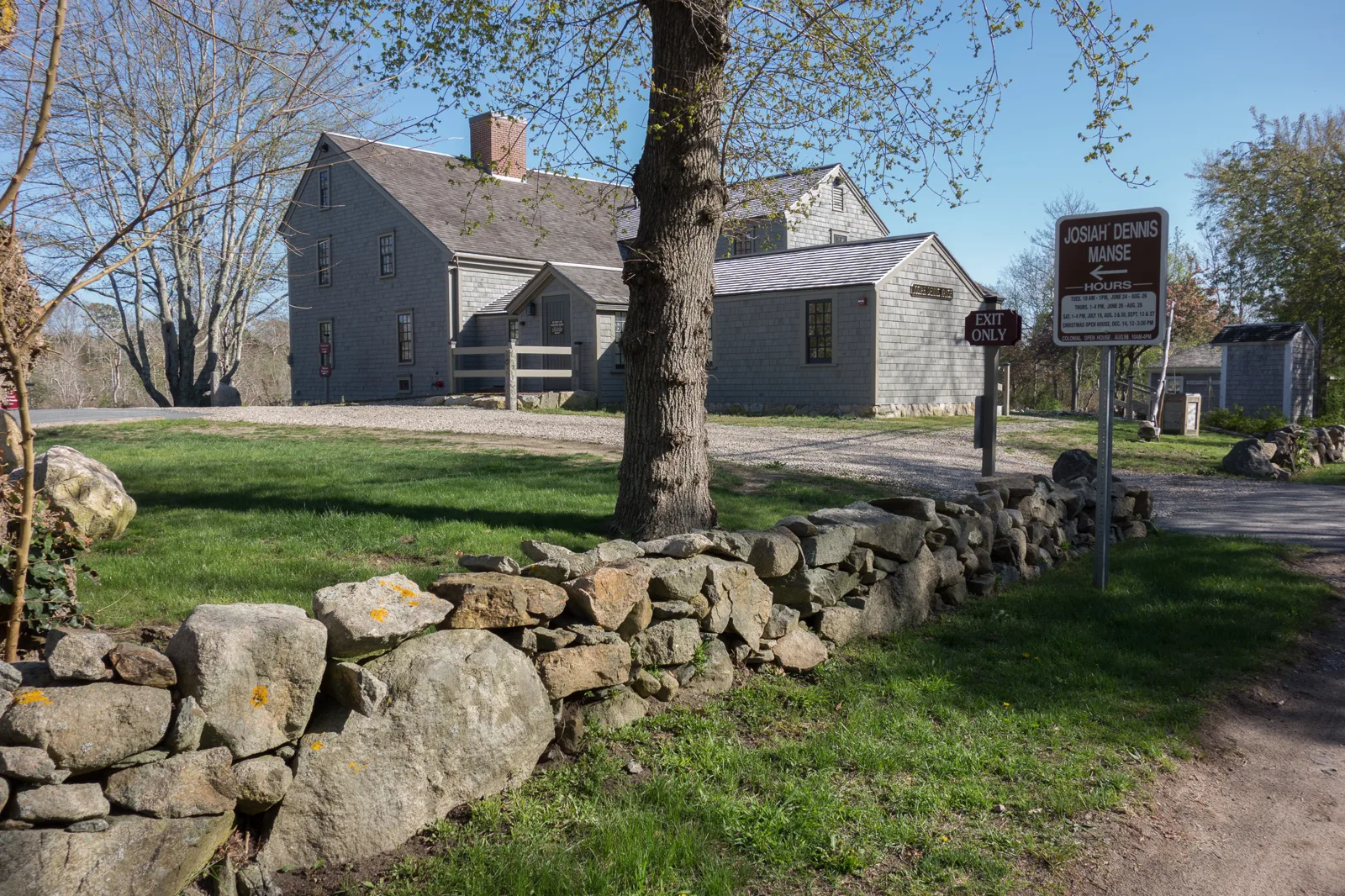
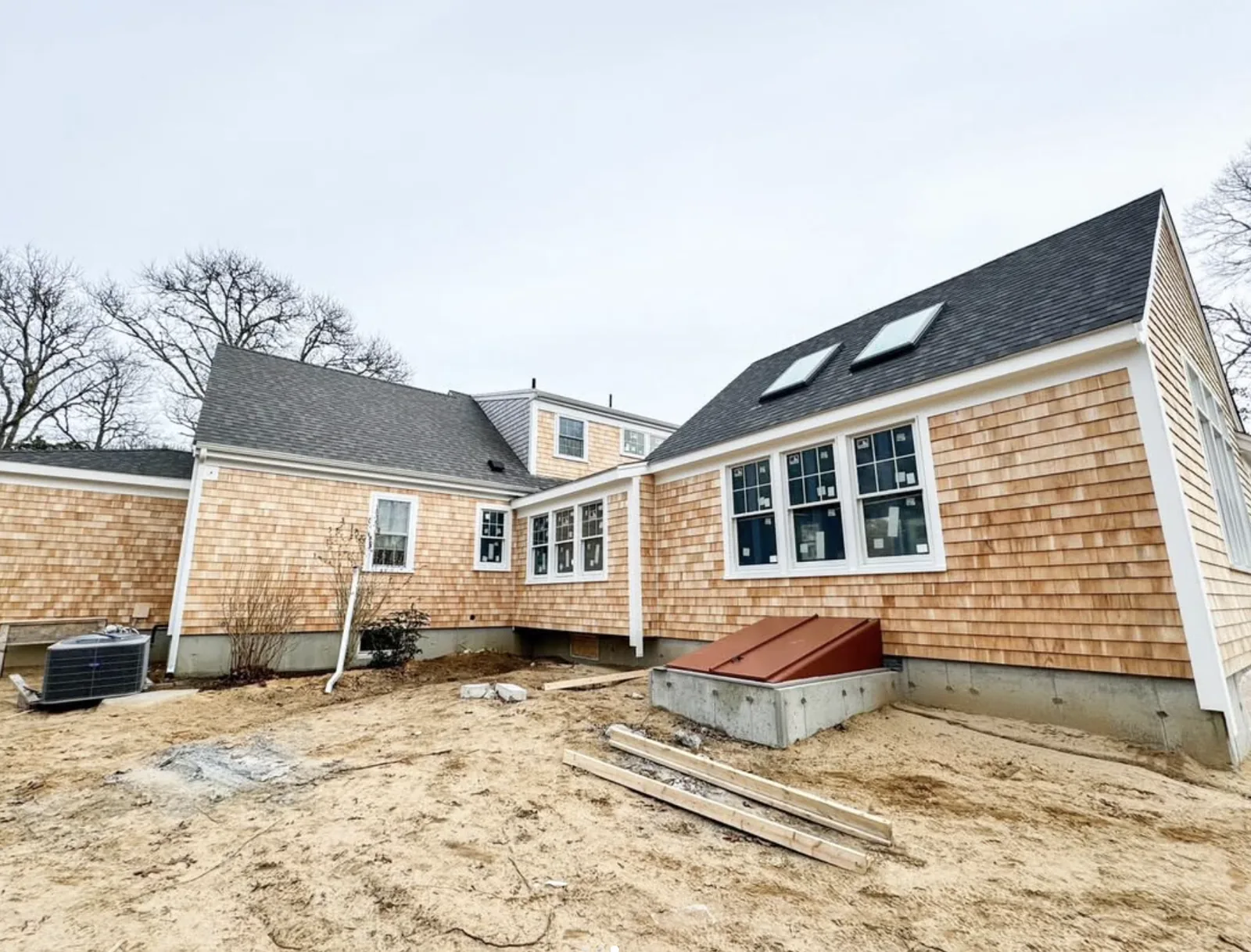
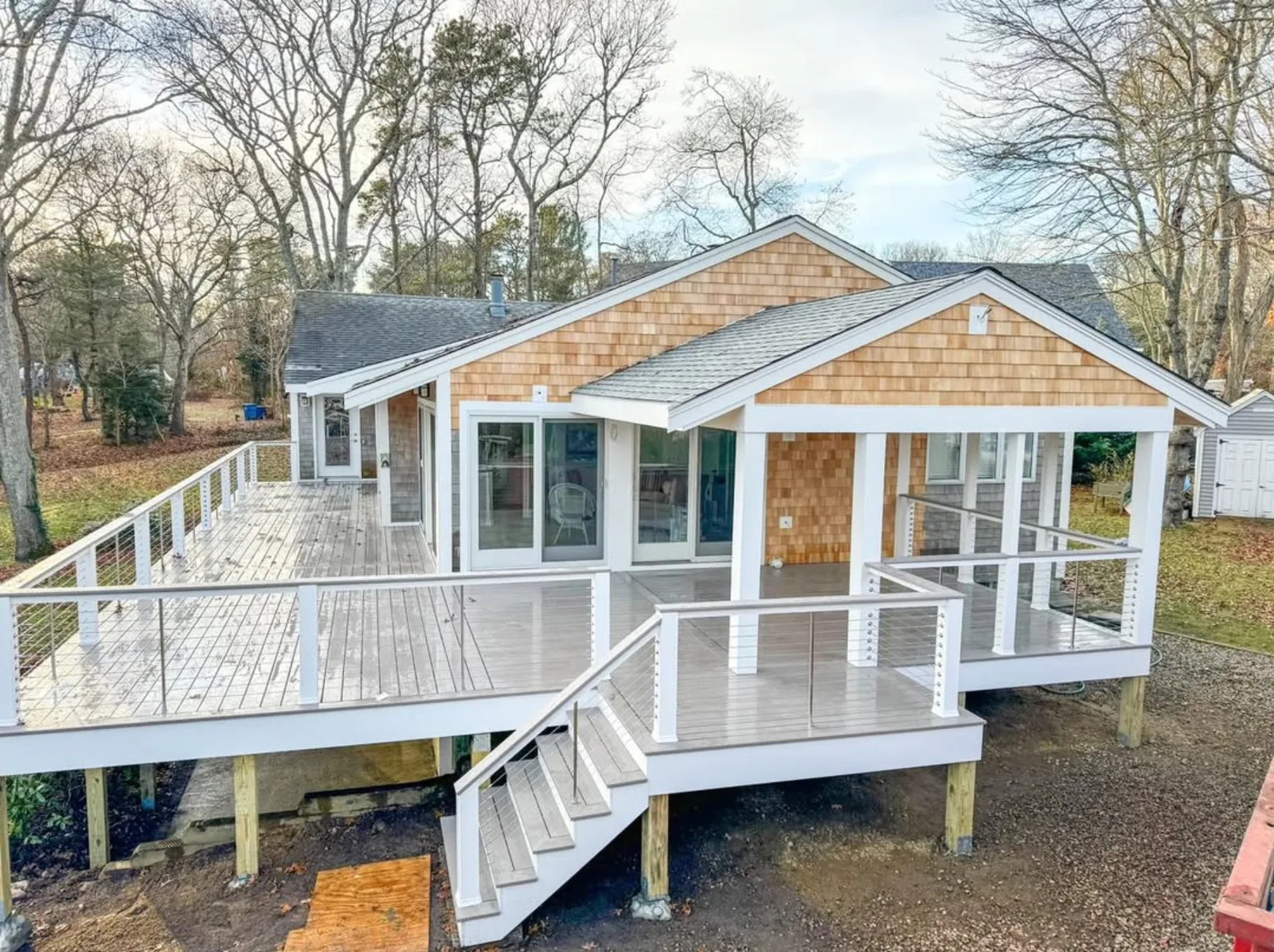
The Cape Cod Commission counts 15,799 housing units in Dennis, about 52% of them seasonal. Of those, 50.4% were built between 1950 and 1974 and another 27.8% between 1975 and 1999, with less than 8% built in the 2000s. That age profile, combined with shoreline on both Cape Cod Bay and Nantucket Sound, shapes what we find when a wall or deck comes apart.
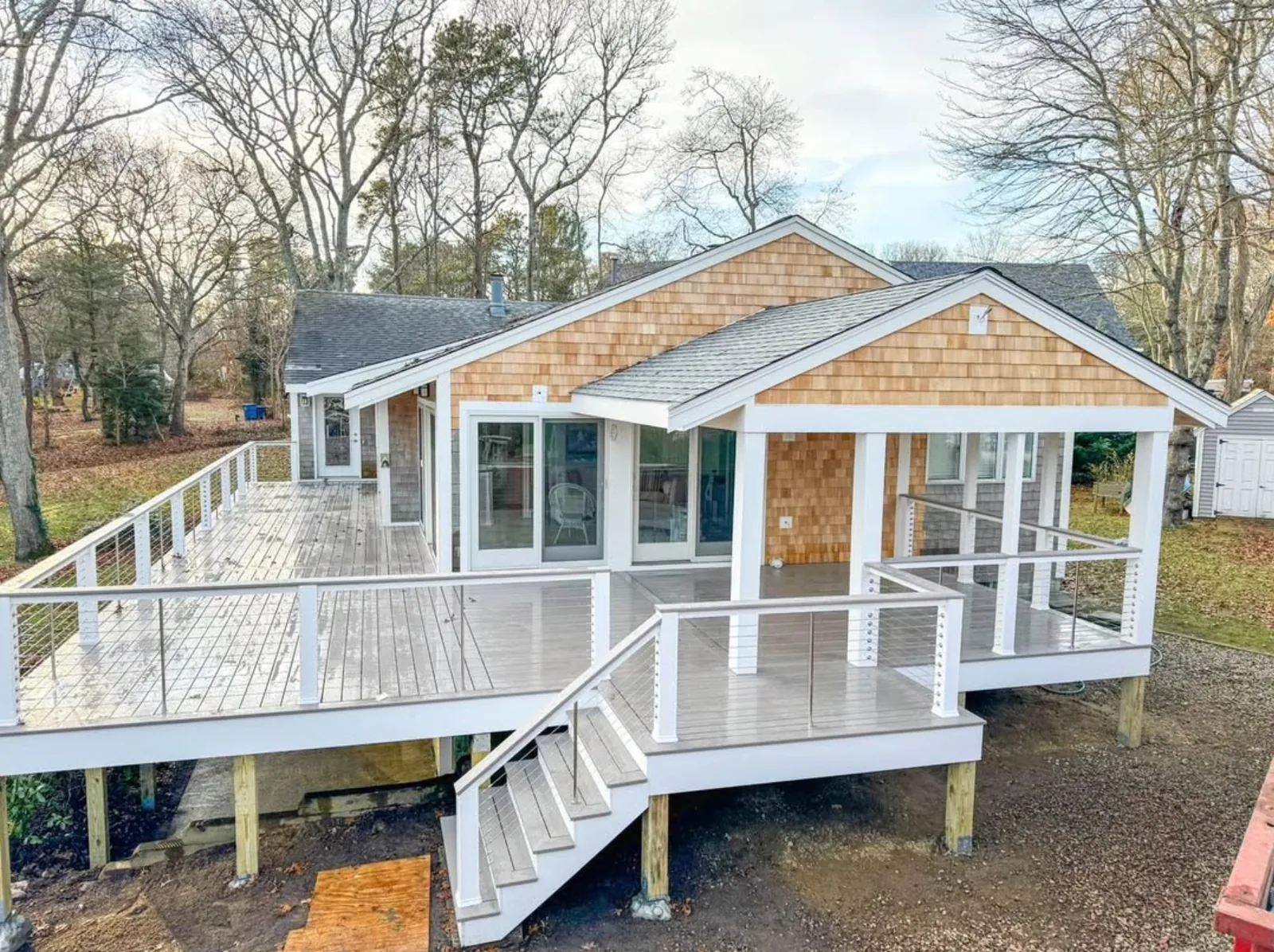
Salt air accelerates corrosion on standard steel fasteners. On a deck ledger or a railing post base installed with standard hardware, the failure is not visible from outside. It shows up when the ledger is opened. We build exterior assemblies with stainless steel fasteners or hot dip galvanized hardware and a flashed ledger.
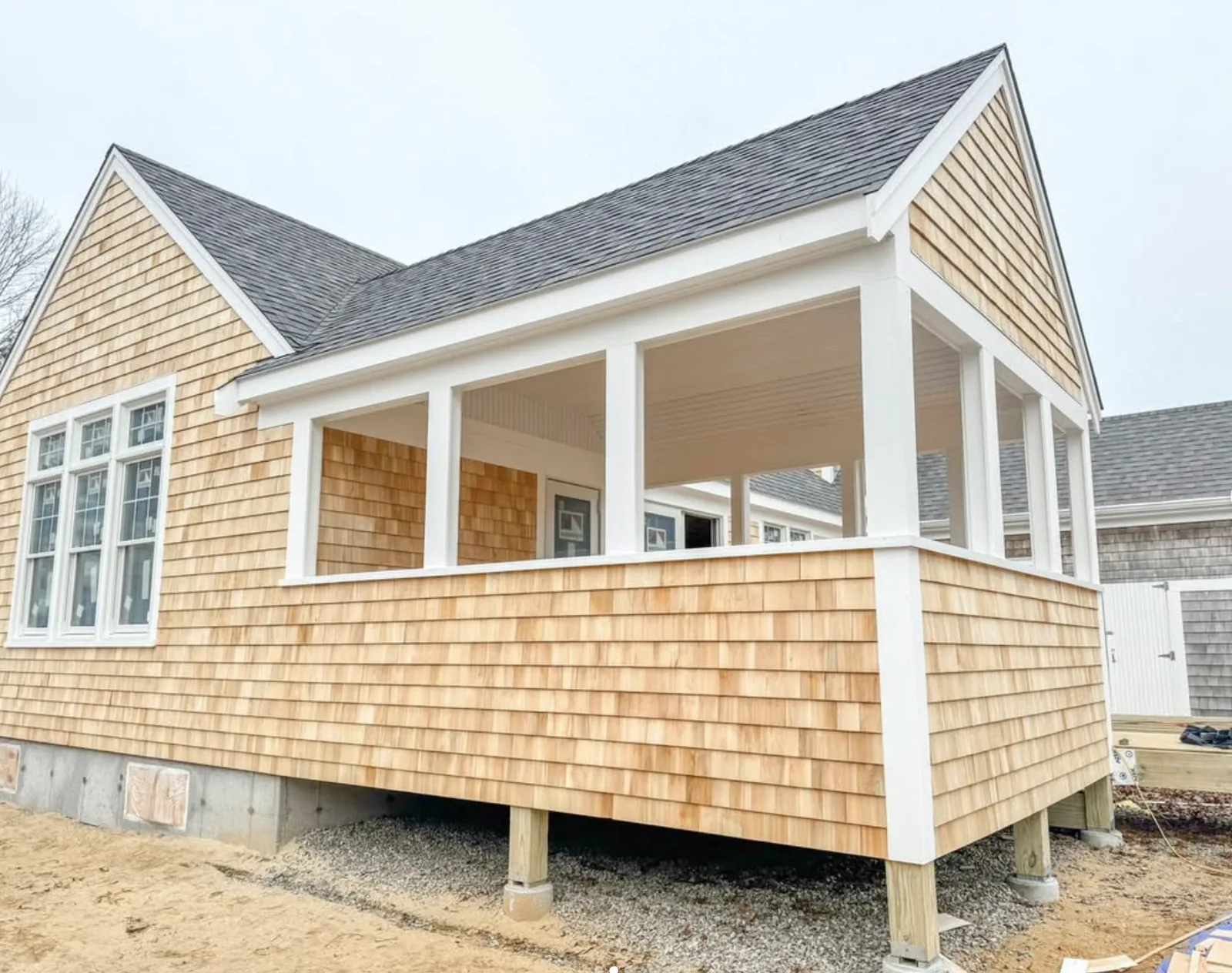
Freeze and thaw cycling is a real factor here. Mid Cape January averages a 25°F low and a 38°F high, and about 17 days a year stay below freezing. Water that gets behind trim or into a deck footing freezes, expands, and opens the gap a little wider each winter. The failure is in the layer nobody inspects.
About 52% of Dennis housing units are seasonal, and in Dennis Port the 2021 census survey counted 67% of units vacant. Houses that sit closed and unheated for months carry freeze and hidden moisture risk with no one there to notice. Subfloors, rim joists, and crawl spaces are where we look first.
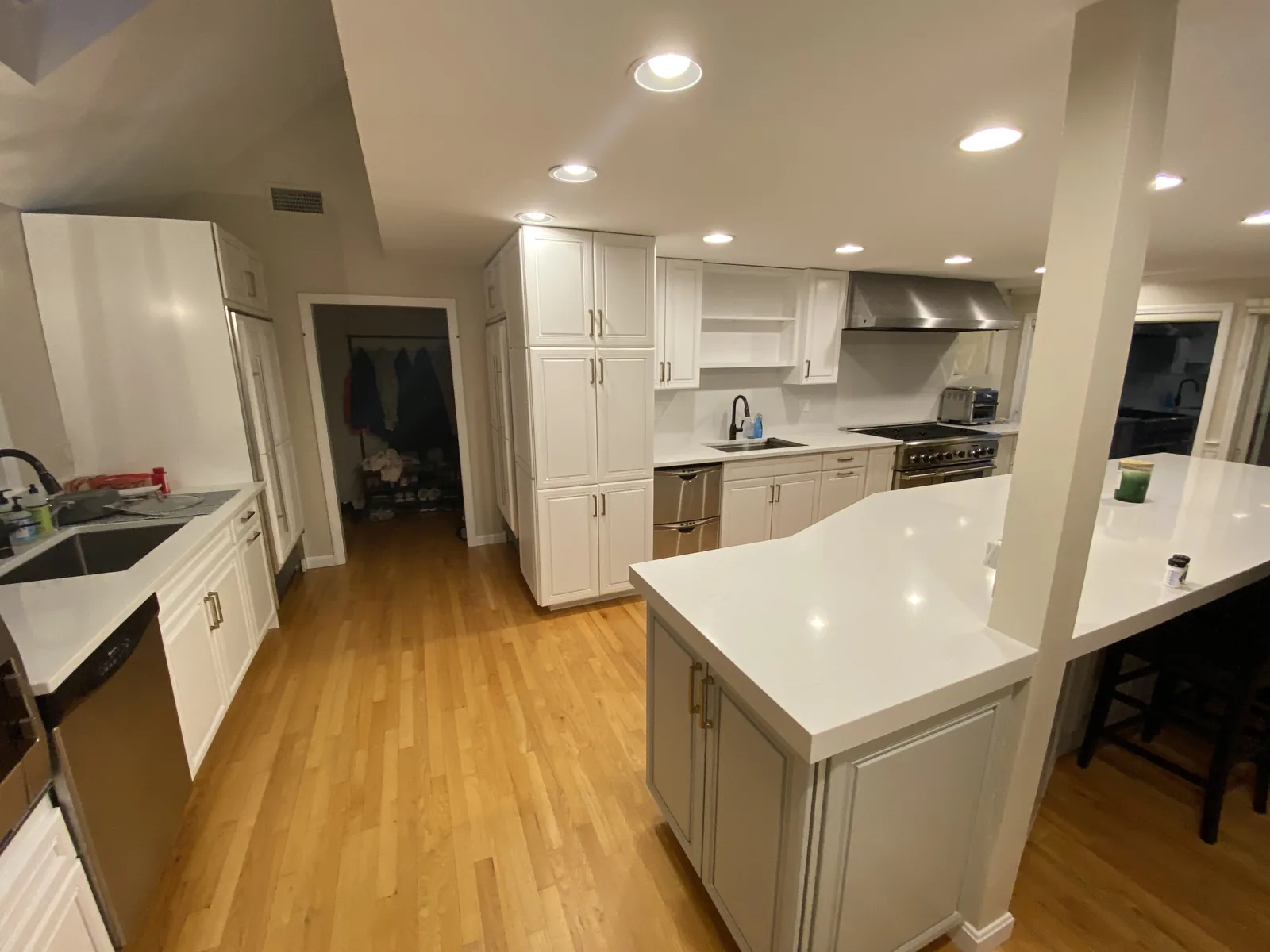
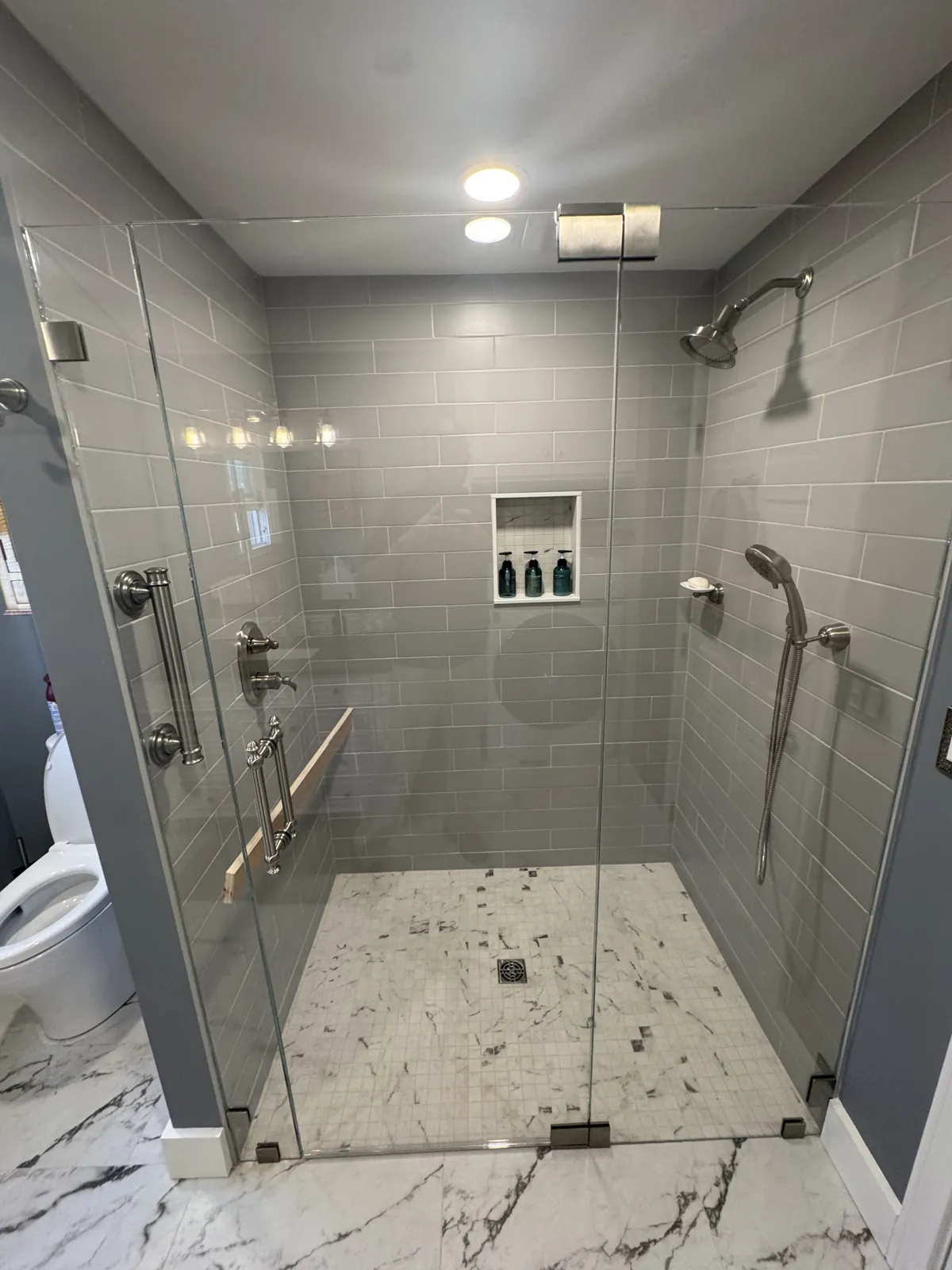
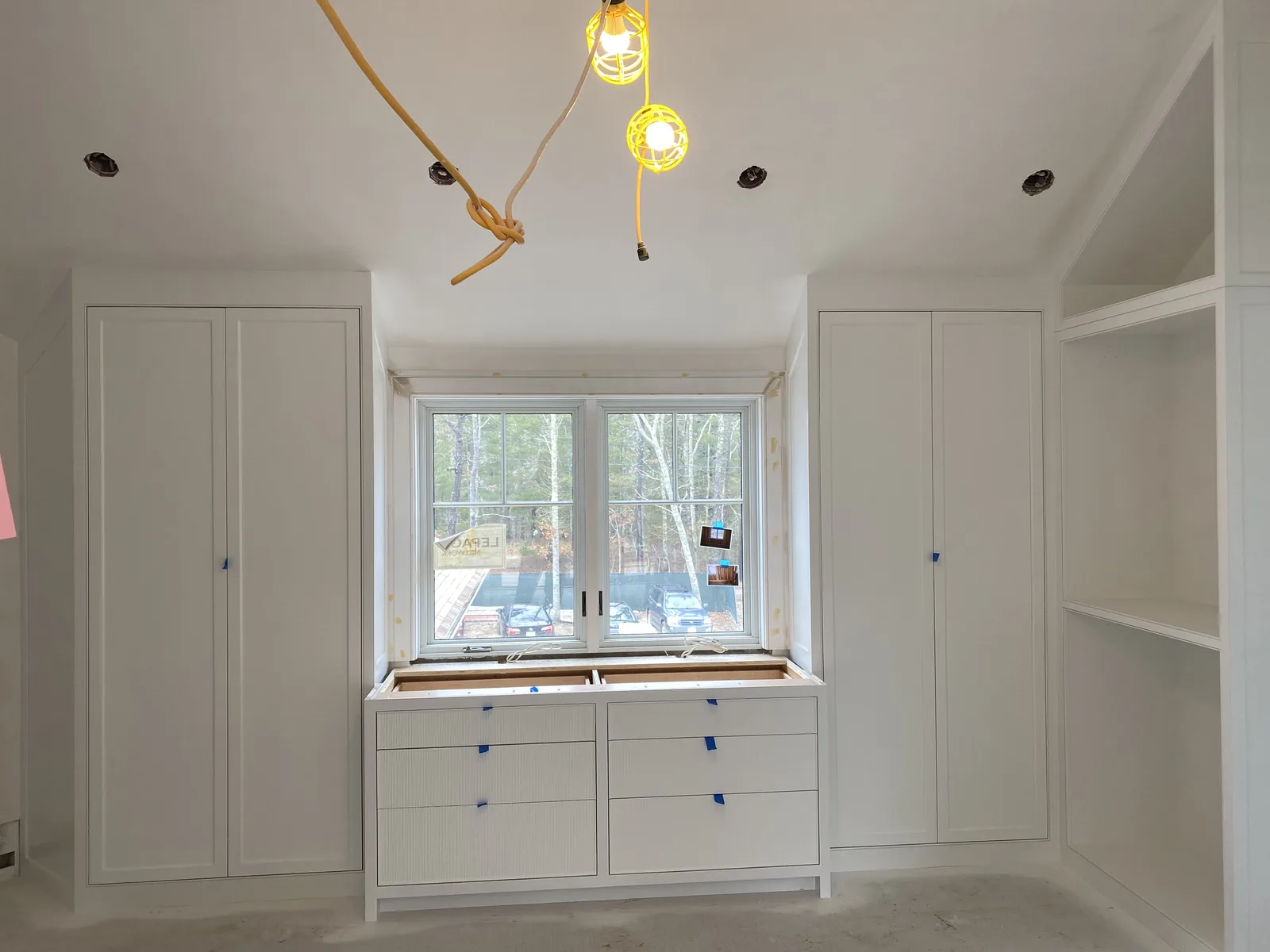
Most of the housing in Dennis dates from 1950 to 1999, so floors have settled and walls are rarely plumb. Cabinets and tile have to be scribed and shimmed to the actual surface, not installed to a theoretical flat plane. That is part of the written scope, not a surprise change order.


 5.0