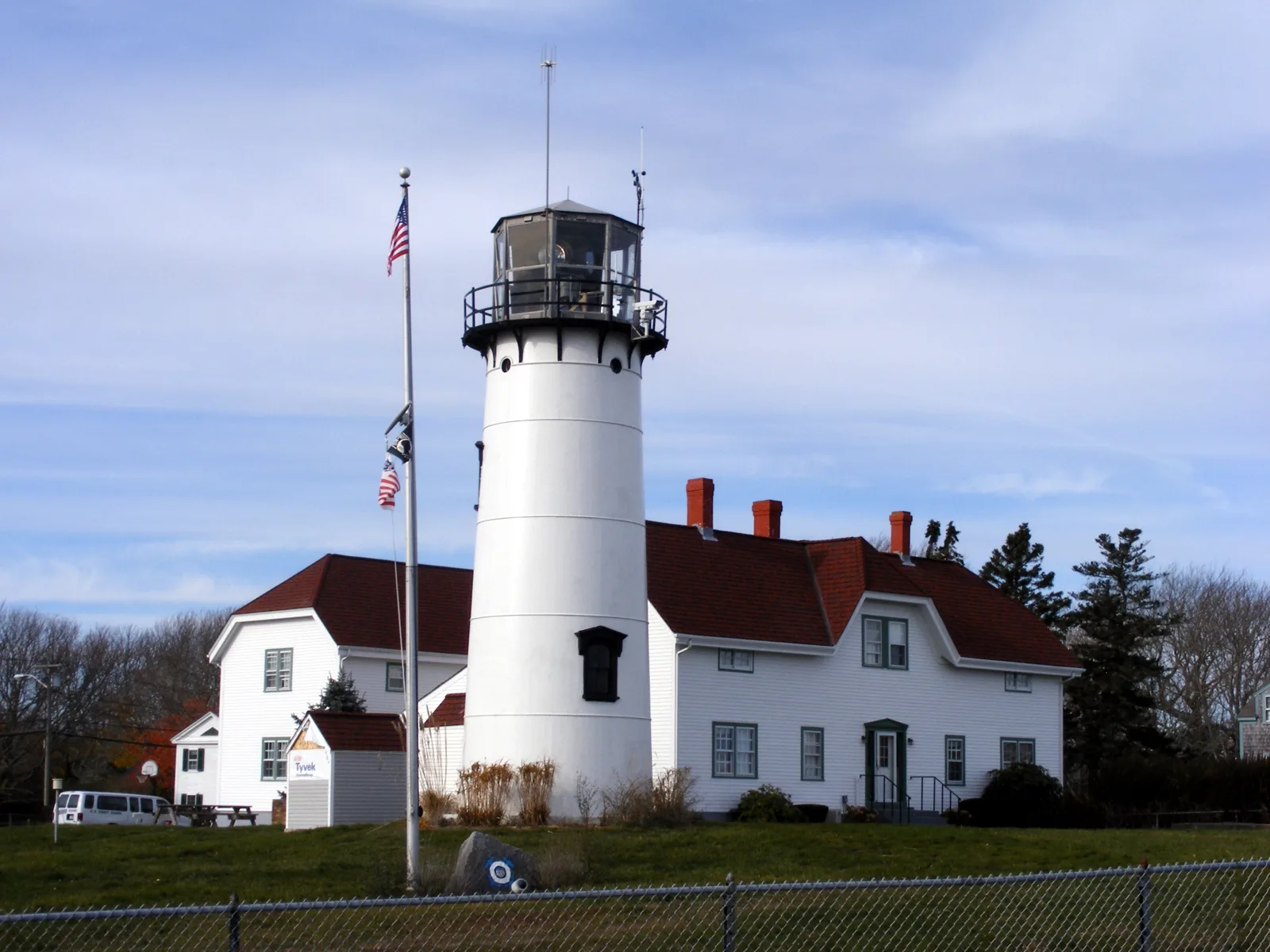
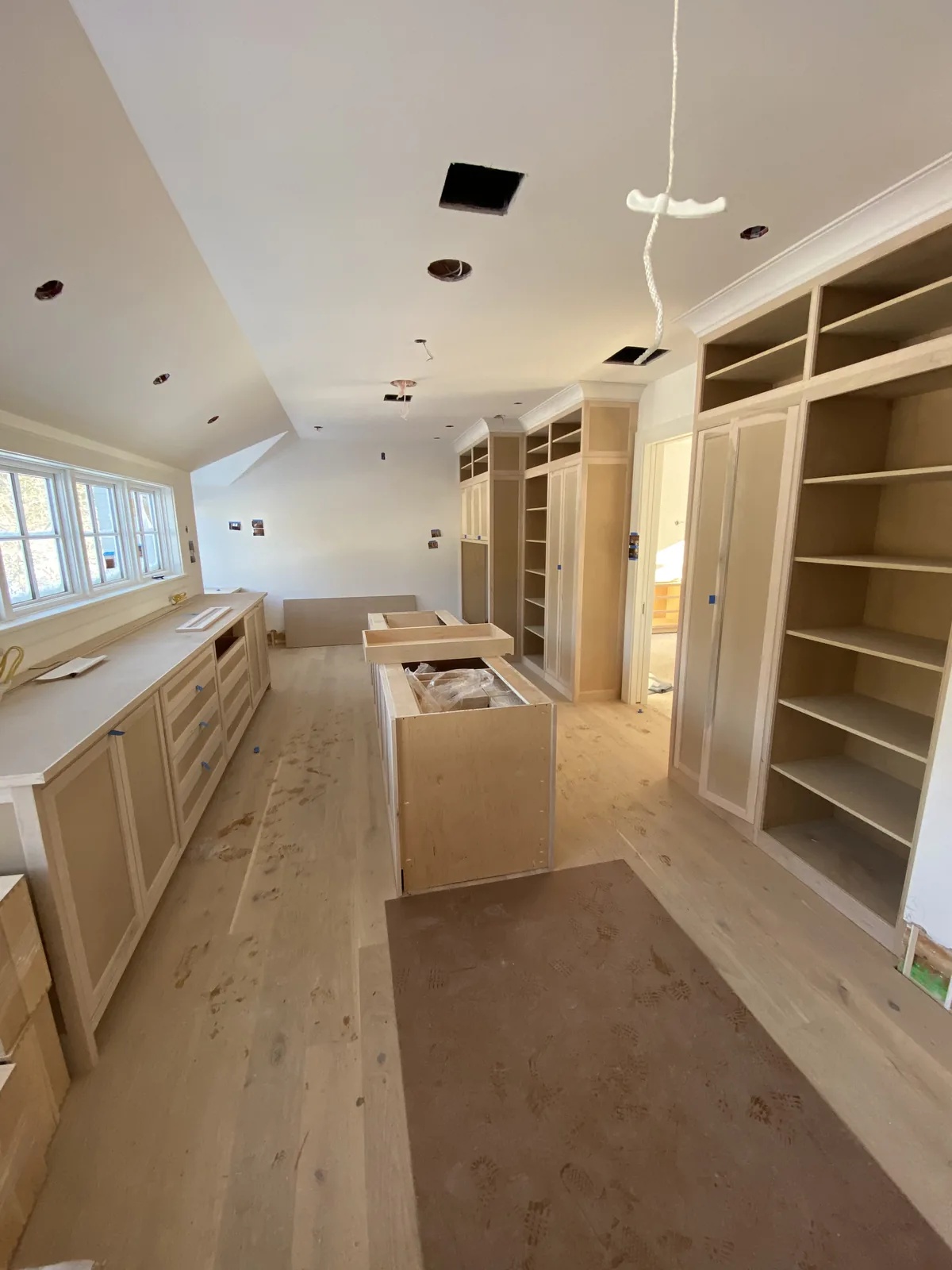
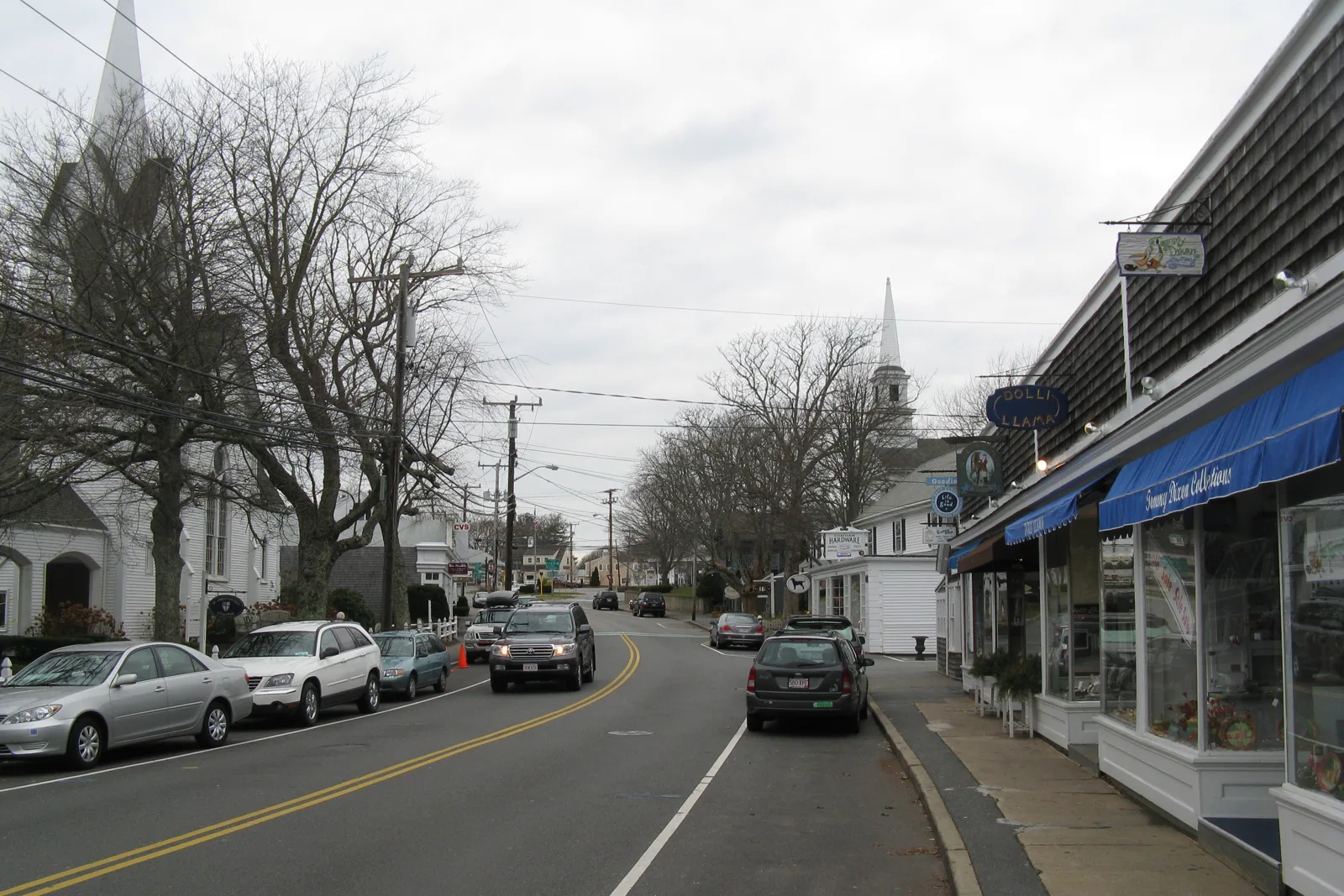
Chatham has 7,420 housing units, and most date from 1950 to 1999, with under 15% built in the 2000s. Many are 1950s to 1970s capes and ranches with original drains, galvanized or early copper supply lines, and poorly vented baths. That age profile, on a shoreline exposed on three sides, shapes what we look for before we write a scope.
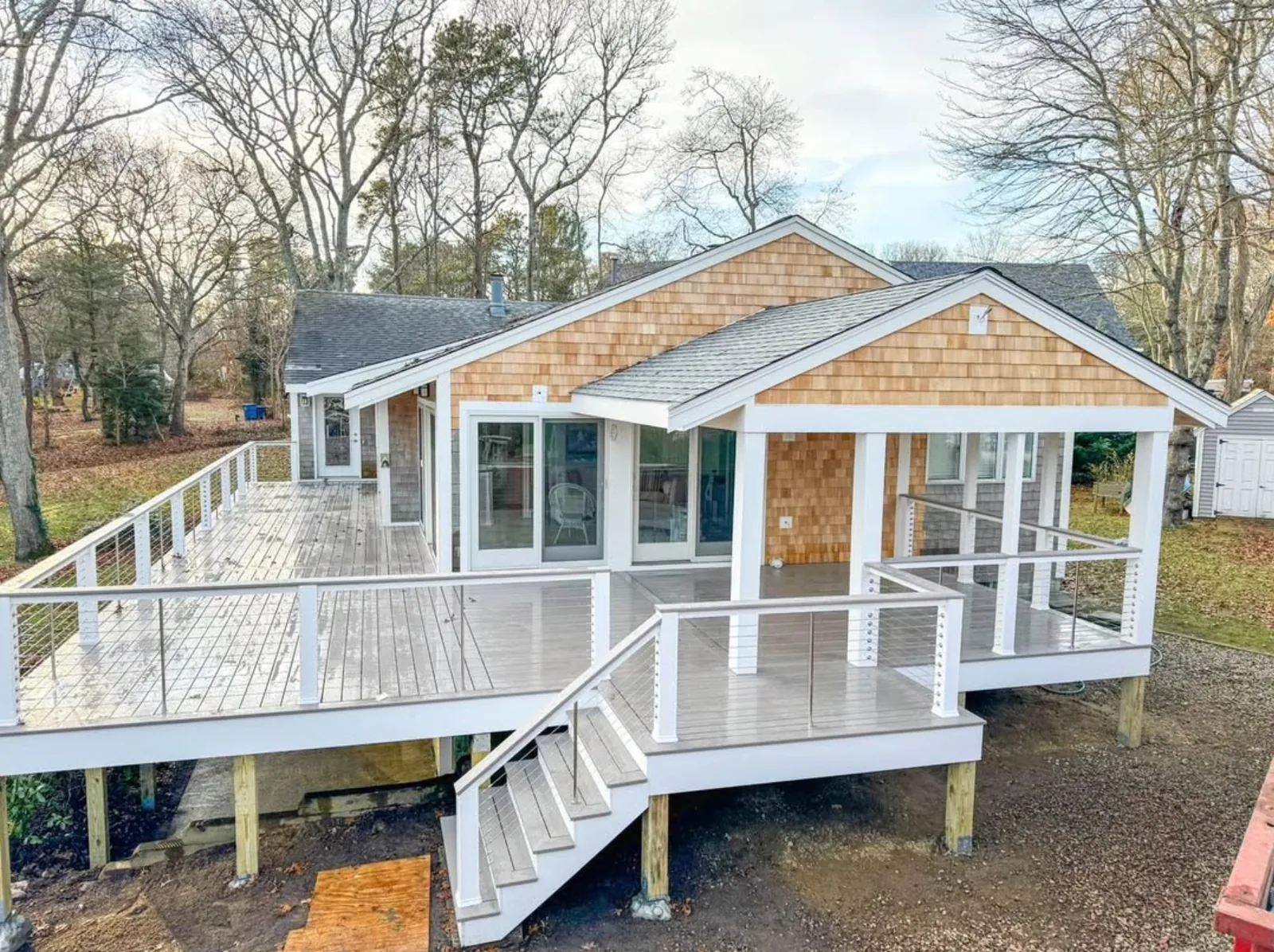
Salt air accelerates corrosion on standard steel fasteners. On a deck ledger or a railing post base installed with standard hardware, the failure is not visible from outside. It shows up when the ledger is opened, which is why exterior assemblies get stainless steel fasteners or hot dip galvanized hardware and a flashed ledger.
Chatham's NOAA normals show a January daily mean of 31.7F, 24.5 inches of snow a year and February as the snowiest month and the nor'easter peak. The town notes that large portions of Chatham are susceptible to coastal flooding and erosion, and storm surge reaches Oyster Pond, Mill Pond, Taylor's Pond and Sulphur Springs. We check FEMA flood zones with Community Development before planning exterior or foundation work.
Over 55% of Chatham's housing units are seasonal or occasional use, against 34% for the region. Houses that sit closed and unheated through the winter develop slow leaks and freeze damage without anyone there to notice. Subfloors, rim joists and wall cavities near baths and exterior doors are where we look first.
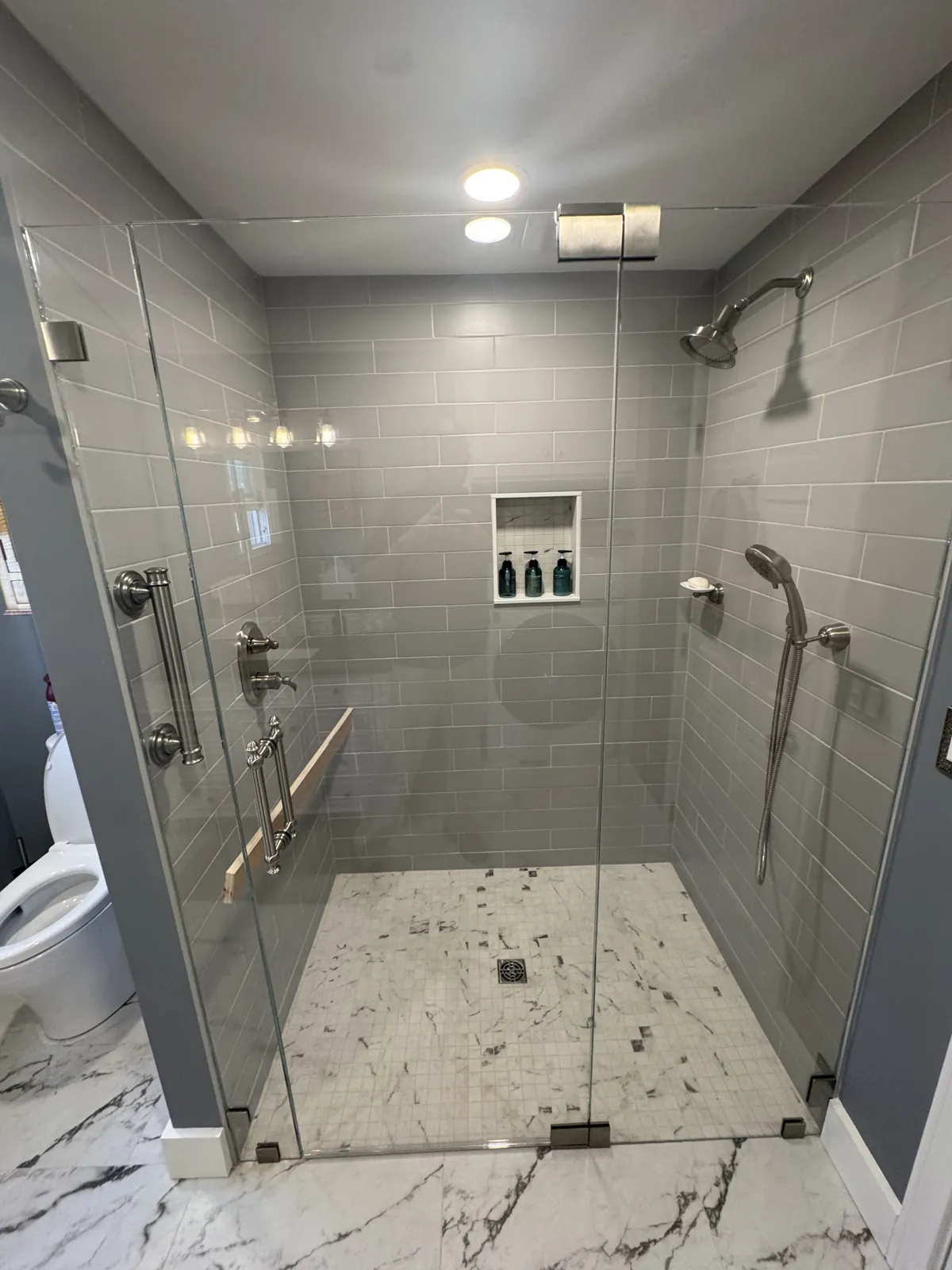
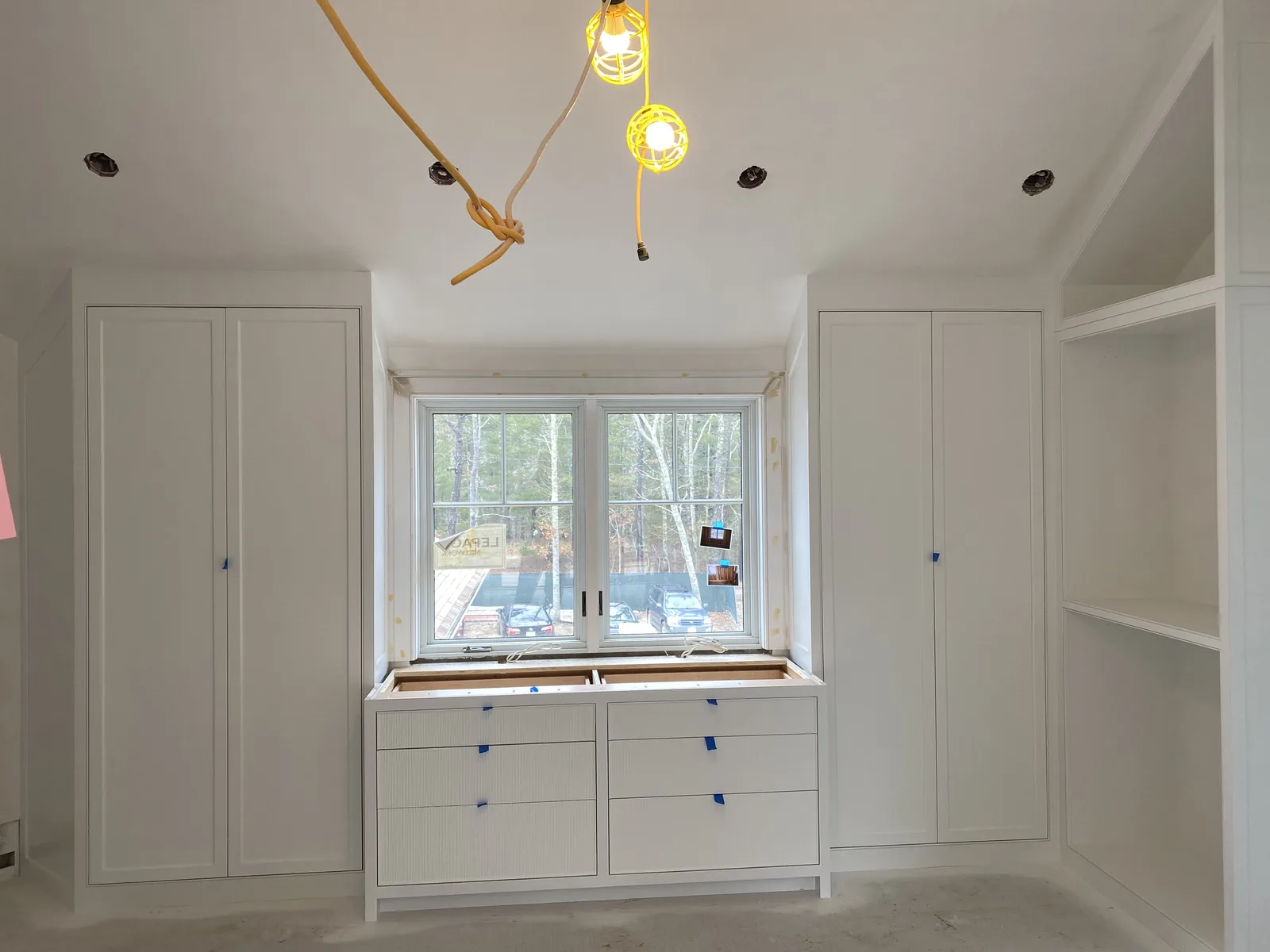
Floors in older homes have settled, and walls are rarely plumb. Cabinets and tile work have to be scribed and shimmed to the actual condition of the surface, not installed to a theoretical flat plane. That time goes into the written scope, not into a change order later.




 5.0