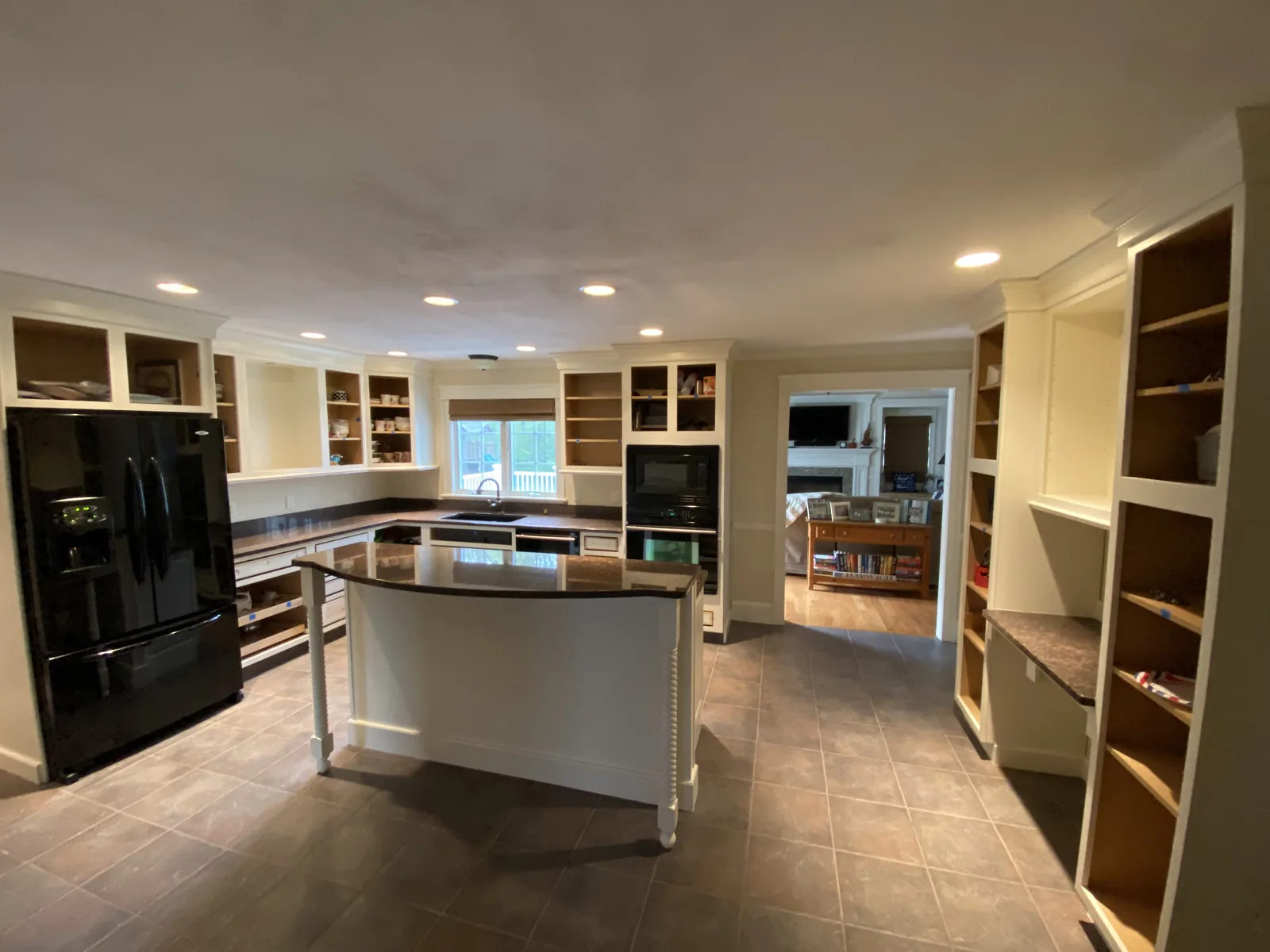
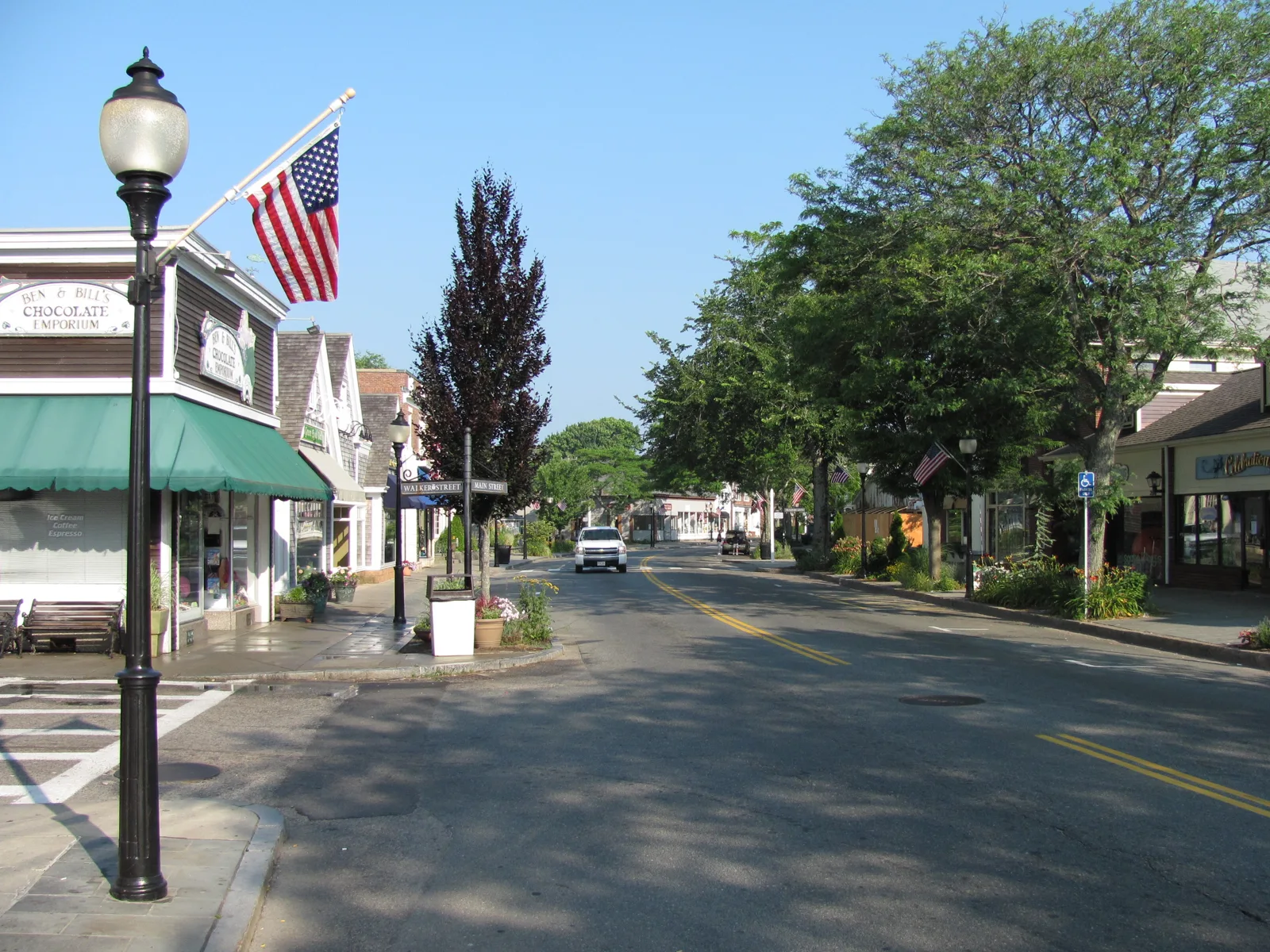
Falmouth counted 22,817 housing units in 2020, and the vast majority were built between 1950 and 1999. The Cape Cod Commission puts 35.6% of units in the 1950 to 1974 range. That age profile, on a coast exposed on two sides, shapes what we find when walls open.
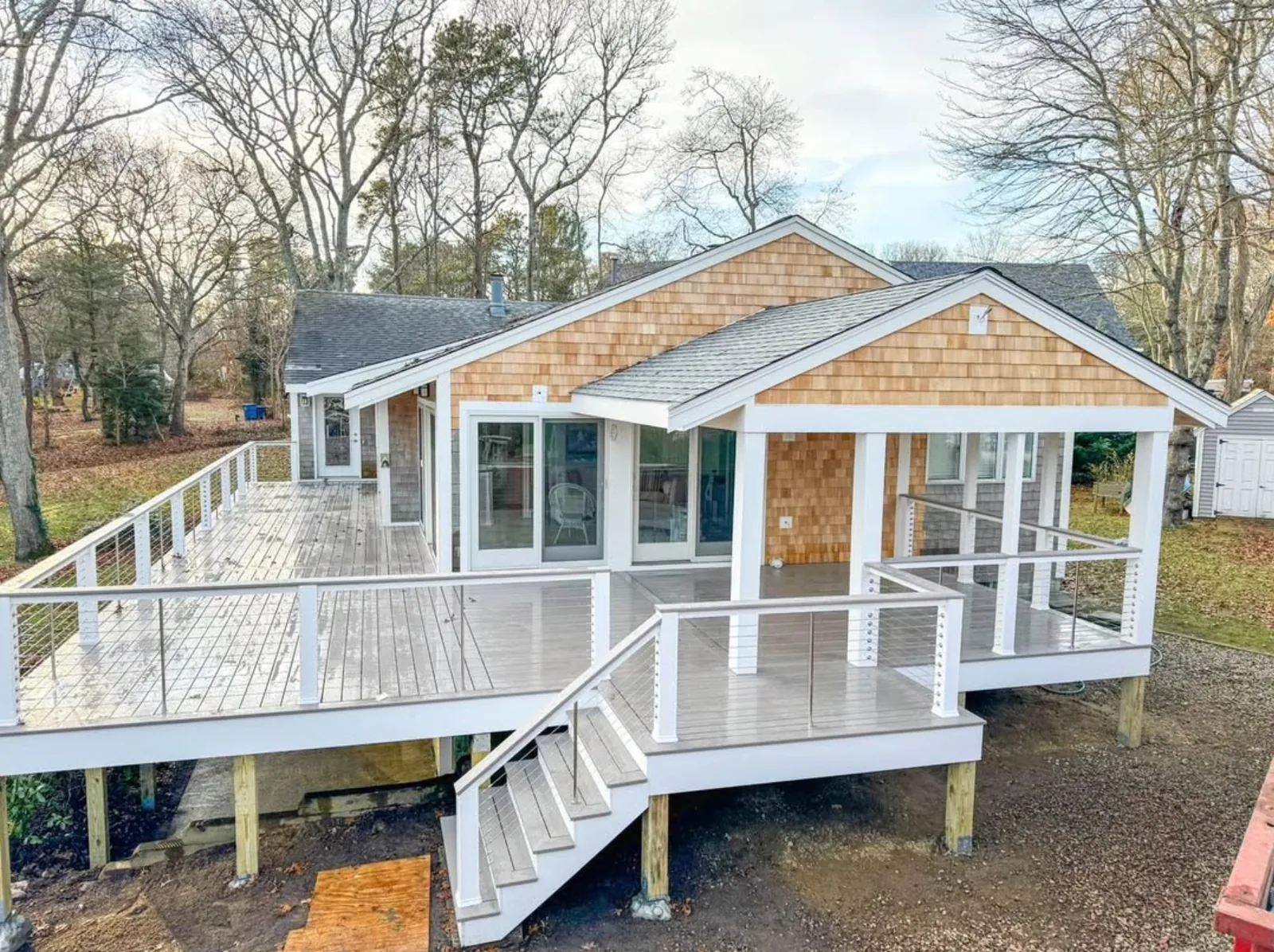
Salt air exposure is a town wide condition here, not something limited to the waterfront. Standard steel fasteners on a deck ledger or railing post corrode out of sight. We use stainless steel fasteners and hot dip galvanized hardware, with a flashed ledger on every attached deck.
Falmouth sees about 30 inches of snow a season and temperatures that swing from 23°F to 79°F. Ground frost can form even when the air reads 36°F. Water that gets behind trim or under a ledger freezes and opens the gap a little more each winter.
About 30% of Falmouth housing is seasonal. A house closed and unheated for months carries freeze and hidden leak risk with no one there to notice. Subfloors, sill plates and the framing around bathrooms are where that damage tends to sit.
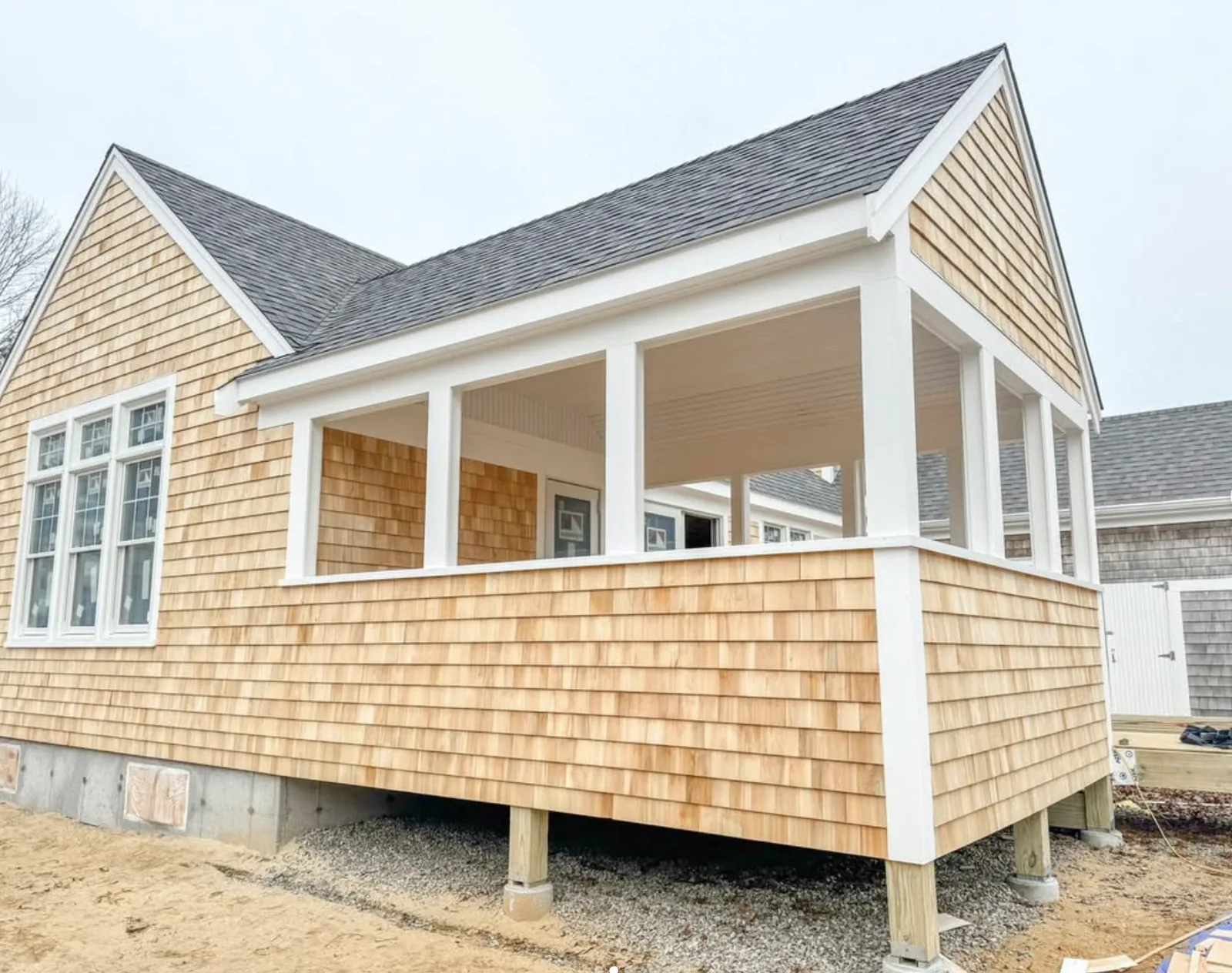
Much of Falmouth sits on glacial outwash sand at low elevation. The Woods Hole tide gage shows sea level rising 2.86 mm per year, and town planning expects more spring flooding. Footings, decks and additions near the water need a compacted base and a site check against the wetland line.




 5.0